
Contact Us

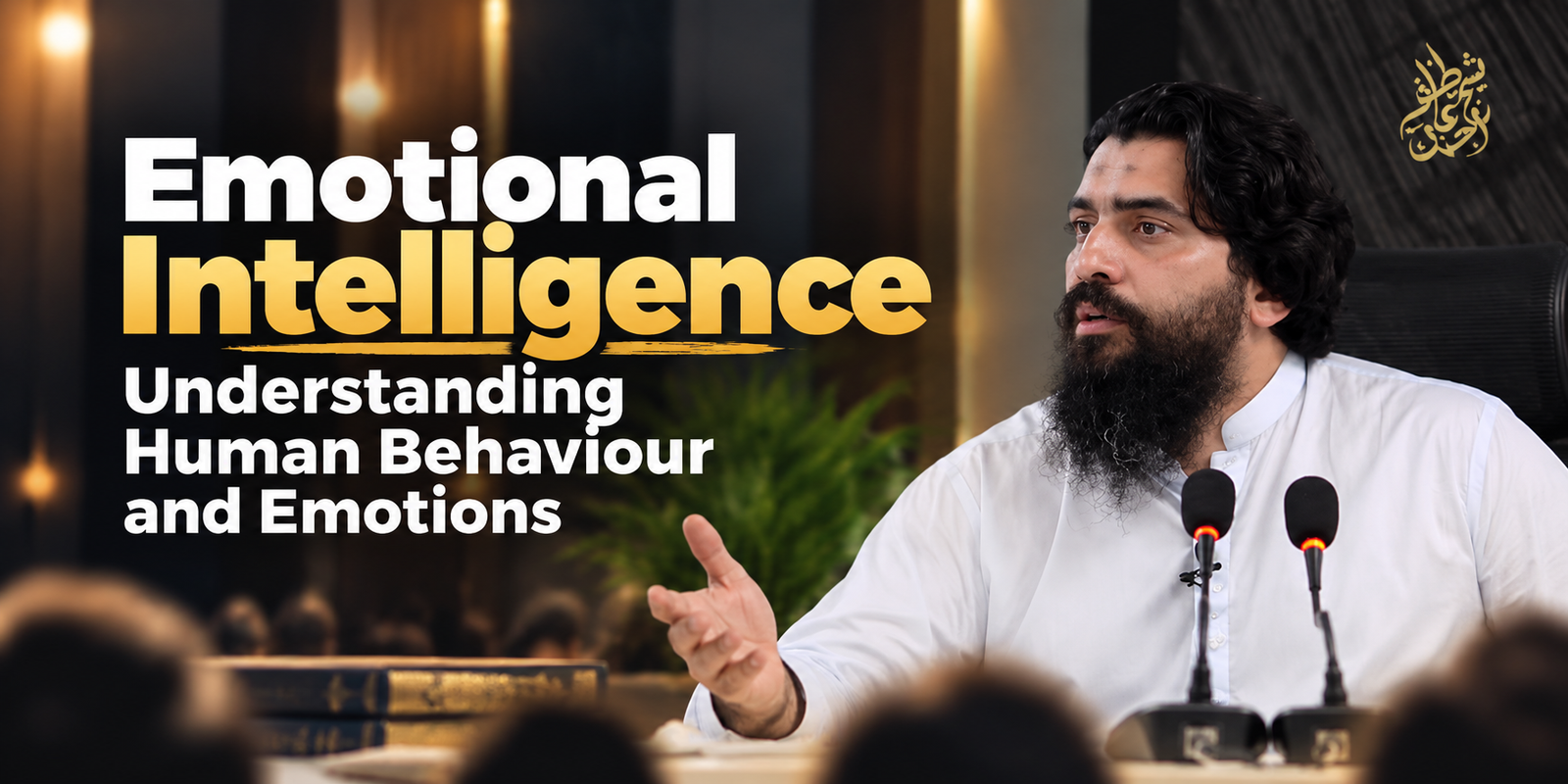
Emotional Intelligence: Understanding Human Behaviour and Emotions

Emotional intelligence and understanding human behaviour and emotions

Emotional intelligence is one of the most important skills for understanding yourself, managing emotions, building meaningful relationships, and responding effectively to the people around you. It influences how you handle difficult conversations, make decisions, deal with pressure, and understand human behaviour.

Have you ever wondered why some people remain calm during stressful situations while others react immediately? Why can certain individuals understand what another person is feeling without being told? The answer often involves emotional awareness, empathy, self-regulation, and emotional intelligence.

Emotional intelligence, commonly known as EQ or EI, is the ability to recognise, understand, and use emotional information to guide thinking and behaviour. It involves understanding your own feelings as well as recognising emotions in others.

In today’s fast-changing world, emotional intelligence is valuable in personal relationships, education, leadership, professional environments, and everyday decision-making. Developing it can help individuals communicate more effectively, manage disagreements, and build stronger connections.

In this comprehensive guide, we explore the meaning of emotional intelligence, its key components, real-life examples, its relationship with human behaviour, and practical ways to develop stronger emotional skills.

What Is Emotional Intelligence?

Emotional intelligence (EI) refers to the ability to recognise emotions, understand what they communicate, and use emotional information effectively when thinking, making decisions, and interacting with others.

Psychologists Peter Salovey and John D. Mayer introduced a formal model of emotional intelligence in 1990. Their work described emotional intelligence as a set of abilities involving the perception, understanding, and regulation of emotions.

The concept later became widely known through Daniel Goleman’s work on emotional intelligence and its application to leadership, relationships, and personal development.

In simple terms, emotional intelligence means knowing what you feel, understanding why you feel it, and choosing how to respond rather than allowing every emotion to control your actions.

For example, imagine receiving criticism from a colleague. One person might immediately become defensive, while another listens carefully, considers the feedback, and responds constructively. The difference may reflect how effectively each person recognises and manages emotional reactions.

Emotional intelligence does not mean suppressing emotions or pretending to be happy all the time. It means developing the awareness and skills to respond to emotions thoughtfully.

Why Is Emotional Intelligence Important?

Emotions influence almost every area of human life. They affect our communication, relationships, decisions, reactions, and understanding of other people.

Developing emotional intelligence can help individuals in several important ways.

1. Better Understanding of Yourself

Self-understanding begins with recognising your emotional patterns. When you understand what makes you frustrated, motivated, anxious, or confident, you can make more thoughtful decisions.

For example, recognising that stress makes you impatient can help you pause before responding to a difficult situation.

2. Stronger Personal Relationships

Healthy relationships require more than communication. They also require listening, empathy, patience, and an understanding of different emotional perspectives.

Emotionally aware individuals are better equipped to recognise misunderstandings and approach disagreements constructively.

3. Improved Decision-Making

Emotions can influence decisions, sometimes without us noticing. Emotional intelligence helps individuals recognise emotional influences and consider relevant information before acting.

It does not mean ignoring feelings. Instead, it means balancing emotional information with facts, reasoning, and long-term consequences.

4. More Effective Leadership

Leadership involves understanding people, communicating expectations, managing disagreements, and motivating teams.

Leaders who demonstrate empathy and emotional awareness can create more supportive environments and respond more effectively to workplace challenges.

5. Better Conflict Management

Disagreements are a normal part of human interaction. Emotional intelligence helps individuals identify the emotions behind disagreements, listen to different perspectives, and work towards constructive solutions.

6. Greater Adaptability

Life involves uncertainty, unexpected changes, and challenging experiences. Emotional awareness can help people recognise their reactions and respond more deliberately when circumstances change.

What Are the Five Components of Emotional Intelligence?

Daniel Goleman’s popular emotional intelligence framework identifies five important components. These are useful areas for understanding and developing emotional competencies.

1. Self-Awareness

Self-awareness is the ability to recognise your emotions and understand how they influence your thoughts and behaviour.

People with stronger self-awareness are more likely to recognise their strengths, limitations, emotional triggers, and behavioural patterns.

For example, if you notice that you become frustrated whenever someone disagrees with you, you can explore why that reaction occurs and learn to respond more constructively.

How to develop self-awareness:

  • Reflect on your emotional reactions.
  • Identify situations that trigger frustration or anxiety.
  • Recognise your strengths and areas for improvement.
  • Ask trusted people for constructive feedback.
  • Keep a journal of recurring emotional patterns.

2. Self-Regulation

Self-regulation means managing emotional reactions rather than allowing immediate impulses to determine your behaviour.

It does not mean eliminating anger, sadness, or frustration. It means expressing and managing these emotions appropriately.

For example, instead of responding angrily to a disagreement, you can pause, consider the situation, and choose a respectful response.

How to develop self-regulation:

  • Pause before responding to emotionally difficult situations.
  • Practise patience during disagreements.
  • Avoid making important decisions while overwhelmed.
  • Develop healthy ways to manage stress.
  • Take responsibility for your behaviour.

3. Internal Motivation

Motivation involves maintaining commitment towards meaningful goals, even when progress becomes difficult.

People who develop strong internal motivation are often guided by personal values, purpose, discipline, and a willingness to learn.

For example, a student who continues working towards educational goals despite setbacks demonstrates persistence and self-motivation.

How to strengthen motivation:

  • Set meaningful and realistic goals.
  • Break large objectives into manageable tasks.
  • Focus on long-term progress rather than immediate rewards.
  • Learn from mistakes.
  • Recognise personal achievements.

4. Empathy

Empathy is the ability to understand or appreciate another person’s emotional experience and perspective.

It does not require agreeing with everyone. Instead, it involves recognising that other people may experience situations differently.

For example, when a colleague is struggling, an empathetic response involves listening and trying to understand their situation rather than immediately judging their behaviour.

How to develop empathy:

  • Listen without interrupting.
  • Avoid making assumptions about people’s feelings.
  • Consider different perspectives.
  • Ask thoughtful questions.
  • Respond with understanding and respect.

5. Social Skills

Social skills involve communicating effectively, developing relationships, managing disagreements, and working constructively with others.

These skills are important in families, friendships, educational institutions, and professional environments.

How to improve social skills:

  • Communicate clearly and respectfully.
  • Practise active listening.
  • Give constructive feedback.
  • Respect personal boundaries.
  • Learn to resolve disagreements calmly.

It is important to understand that Goleman’s five-component framework is a popular model, not the only scientific definition of emotional intelligence. The original ability-based model by Mayer and Salovey focuses on perceiving, using, understanding, and managing emotions.

How Does Emotional Intelligence Influence Human Behaviour?

Human behaviour is influenced by multiple factors, including emotions, experiences, beliefs, personality, environment, and social relationships.

Emotional intelligence helps individuals recognise how emotions influence their reactions and interactions.

Consider these everyday examples.

Emotional Reactions

Two people may experience the same frustrating situation but respond differently. One may react impulsively, while the other pauses and considers the consequences.

The difference can involve emotional awareness, learned coping strategies, and individual circumstances.

Communication Patterns

People who recognise emotional signals may become more aware of how their words and tone affect others.

This can improve conversations, reduce misunderstandings, and support healthier interactions.

Behaviour During Disagreements

Some individuals interpret disagreement as a personal attack. Others can separate the discussion from their self-worth and consider alternative viewpoints.

Emotional awareness can help people approach disagreements with greater patience.

Understanding Other People’s Feelings

Facial expressions, tone of voice, body language, and the context of a conversation can provide clues about another person’s emotional state.

However, these signals are not always reliable. Asking respectful questions is often better than assuming what someone feels.

Understanding these behavioural patterns can help individuals develop more thoughtful responses in everyday life.

Emotional Intelligence vs IQ: What Is the Difference?

Emotional intelligence and intelligence quotient (IQ) describe different aspects of human abilities.

IQ generally relates to cognitive abilities such as reasoning, problem-solving, and certain forms of learning. Emotional intelligence focuses on recognising, understanding, and working with emotional information.

Emotional Intelligence (EQ)Intelligence Quotient (IQ)
Understanding emotional informationCognitive reasoning abilities
Recognising emotionsSolving logical problems
Managing emotional reactionsProcessing information
Understanding emotional perspectivesLearning and analytical reasoning
Supporting interpersonal interactionsHandling cognitive tasks

Both can be valuable in personal and professional life.

A person may have strong analytical abilities but struggle with emotionally difficult conversations. Another person may understand interpersonal dynamics very well but need support with certain technical or analytical tasks.

Neither EQ nor IQ alone provides a complete picture of a person’s abilities.

How to Improve Emotional Intelligence: 10 Practical Strategies

Emotional intelligence can be developed through learning, reflection, and consistent practice. Progress takes time, but small daily improvements can make a meaningful difference.

1. Identify Your Emotions

Instead of simply saying that you feel bad, try identifying the specific emotion. Are you disappointed, frustrated, worried, embarrassed, or overwhelmed?

Naming emotions can help you understand what is happening internally.

2. Understand Your Emotional Triggers

Notice the situations that repeatedly lead to strong emotional reactions.

These may include criticism, uncertainty, rejection, pressure, or misunderstandings.

Recognising triggers helps you prepare more thoughtful responses.

3. Practise Active Listening

Give people your full attention when they speak. Avoid preparing your response while they are still explaining their perspective.

Listen to understand rather than simply to reply.

4. Think Before You React

When emotions become intense, take a moment before responding.

A short pause can create space to consider your words and avoid unnecessary conflict.

5. Develop Empathy

Try to understand the experiences and perspectives of others without immediately judging them.

Ask yourself what circumstances might influence their feelings or behaviour.

6. Accept Constructive Feedback

Feedback can sometimes feel uncomfortable. Instead of immediately becoming defensive, consider whether it contains useful information.

You do not have to agree with every criticism, but you can learn to evaluate it objectively.

7. Improve Your Communication

Express your feelings clearly and respectfully. Avoid blaming language and focus on explaining your perspective.

For example, saying “I felt overlooked during that discussion” is often more constructive than accusing someone of never listening.

8. Reflect on Your Daily Interactions

At the end of each day, consider:

  • What emotions did I experience today?
  • How did I respond to difficult situations?
  • Did I understand other people’s perspectives?
  • What could I handle differently next time?

Regular reflection can help you recognise behavioural patterns.

9. Learn to Manage Stress

Sleep, physical activity, healthy routines, and appropriate relaxation strategies can support emotional wellbeing.

When stress becomes difficult to manage, professional support may be helpful.

10. Practise Consistently

Emotional intelligence is not developed through one motivational session or a single exercise.

It requires consistent attention to emotional awareness, communication, empathy, and personal responsibility.

Emotional Intelligence in Leadership and the Workplace

Emotional intelligence is particularly relevant in professional environments because work involves collaboration, communication, decision-making, and managing different personalities.

An emotionally aware leader understands that employees are individuals with different experiences, motivations, and communication styles.

Important applications include:

Team communication: Listening to employees and communicating expectations clearly.

Conflict resolution: Addressing disagreements without allowing personal emotions to dominate discussions.

Decision-making: Considering relevant facts, potential consequences, and emotional influences.

Employee development: Giving constructive feedback while recognising individual strengths and development needs.

Adaptability: Helping teams navigate organisational changes with clear communication and support.

Emotional intelligence can complement technical knowledge and professional experience. It should not, however, be treated as a substitute for competence, accountability, or sound management practices.

Emotional Intelligence in Islam: Managing Emotions Through Character and Self-Control

Islam places great importance on character, patience, compassion, self-control, and respectful interaction with others.

Although emotional intelligence is a modern psychological term, several of its practical themes connect with Islamic teachings about human conduct.

Controlling Anger

The Quran praises those who restrain anger and pardon others.

Surah Al-Imran (3:134) describes people who control their anger and forgive others.

This teaching highlights the importance of responding to difficult situations with restraint rather than allowing anger to dictate behaviour.

Responding With Kindness

Surah Fussilat (41:34) teaches that good and evil are not equal and encourages responding to wrongdoing with what is better.

This provides an important lesson about patience, character, and constructive responses during disagreements.

Respecting Other People

Surah Al-Hujurat (49:11–12) warns against mocking, insulting, suspicion, and backbiting.

These teachings encourage individuals to consider how their words and assumptions affect others.

Developing Personal Accountability

Islam encourages self-reflection and responsibility for one’s actions.

A person should consider not only what they feel but also how they express those feelings and how their behaviour affects other people.

Emotional awareness, when combined with sincerity, patience, compassion, and accountability, can contribute to better character and healthier relationships.

These Quranic principles are ethical and spiritual guidance, not a replacement for psychological assessment or professional mental health care.

Common Myths About Emotional Intelligence

There are several misunderstandings about emotional intelligence.

Myth 1: Emotionally intelligent people never get angry.

Reality: They experience anger like other people but work towards responding to it constructively.

Myth 2: Empathy means agreeing with everyone.

Reality: You can understand another person’s feelings without agreeing with their decisions or behaviour.

Myth 3: Emotional intelligence means hiding emotions.

Reality: It involves recognising and managing emotions appropriately, not suppressing every feeling.

Myth 4: Emotional intelligence is only important for leaders.

Reality: It can be useful in families, friendships, education, teamwork, and everyday interactions.

Myth 5: Emotional intelligence is something you either have or do not have.

Reality: Many emotional skills can be practised and developed over time.

Frequently Asked Questions About Emotional Intelligence

1. What is emotional intelligence in simple words?

Emotional intelligence is the ability to recognise, understand, and manage your emotions while also understanding the emotions of other people.

2. What are the five components of emotional intelligence?

The five components in Daniel Goleman’s popular framework are self-awareness, self-regulation, internal motivation, empathy, and social skills.

3. Why is emotional intelligence important?

It can support better communication, stronger relationships, thoughtful decision-making, effective teamwork, and constructive conflict management.

4. Can emotional intelligence be learned?

Yes. Skills such as emotional awareness, active listening, empathy, and self-regulation can be developed through practice, reflection, and learning.

5. What are the signs of high emotional intelligence?

Common indicators include recognising emotional triggers, listening carefully, accepting feedback, considering other perspectives, and responding thoughtfully during disagreements.

6. What is the difference between emotional intelligence and IQ?

IQ generally concerns cognitive abilities, while emotional intelligence concerns the recognition, understanding, and management of emotional information.

7. How does emotional intelligence affect relationships?

It can help people communicate more clearly, understand different perspectives, manage disagreements, and respond to each other with greater consideration.

8. How can I improve emotional intelligence in daily life?

Start by identifying your emotions, listening carefully, pausing before reacting, understanding other perspectives, and reflecting on your daily interactions.

9. What does Islam teach about emotional control?

Islam encourages patience, restraint in anger, forgiveness, compassion, and respectful behaviour. These values are reflected in several Quranic teachings, including Surah Al-Imran (3:134).

10. Is emotional intelligence more important than IQ?

Neither is universally more important. Their relevance depends on the task and circumstances. Cognitive abilities and emotional skills can complement each other.

Final Thoughts: Building a Better Understanding of Yourself and Others

Emotional intelligence is an important part of understanding human behaviour. It helps individuals become more aware of their feelings, recognise the perspectives of others, and make thoughtful choices during challenging situations.

Developing emotional intelligence is an ongoing process. It requires self-reflection, patience, empathy, effective communication, and a willingness to learn from everyday experiences.

When individuals combine emotional awareness with strong values and personal accountability, they can build healthier relationships and contribute more positively to their families, workplaces, and communities.

For those interested in personal growth, leadership, and a deeper understanding of human behaviour, learning to recognise and manage emotions is a valuable step towards a more thoughtful and purposeful life.

About Shaykh Atif Ahmed

Shaykh Atif Ahmed is a motivational speaker, life coach, and educator whose work focuses on Islamic teachings, spirituality, personal development, and leadership. Through educational programs, mentorship, and speaking engagements, he encourages individuals to pursue personal growth while maintaining a strong connection with their values and responsibilities.

Explore Shaykh Atif Ahmed’s life coaching and mentorship services to learn more about personal development and guidance.
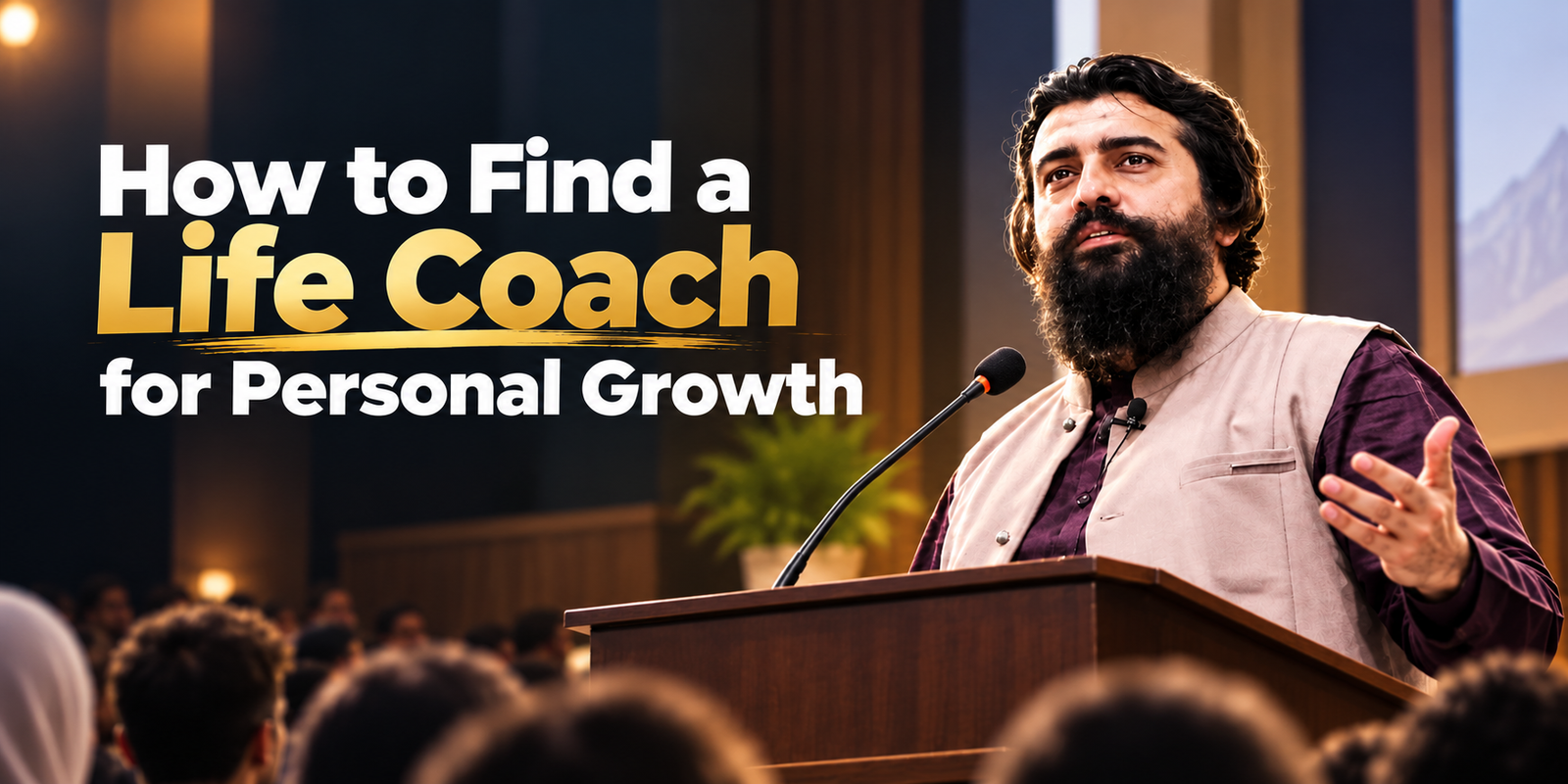
 

How to Find the Right Life Coach for Personal Growth

how-to-find-a-life-coach

Finding the right life coach can help you gain clarity about your goals, identify areas for improvement and develop a practical plan for personal growth. However, choosing a coach requires more than reading a profile or watching an inspiring video. You need to understand their experience, coaching approach, professional boundaries and whether their guidance aligns with your needs.

Whether you want to improve your habits, make career decisions, develop confidence or live with greater purpose, the right coaching relationship should help you think clearly and take meaningful action.

This guide explains how to find a life coach, what qualities to look for, which questions to ask before choosing one and how to determine whether coaching is appropriate for your goals.

What Does a Life Coach Do?

A life coach helps individuals clarify their goals, explore challenges, identify possible solutions and develop actionable plans. Coaching often focuses on personal development, accountability and practical steps toward a desired outcome.

Depending on their experience and area of specialization, a life coach may help with:

  • Setting personal and professional goals
  • Developing self-awareness and confidence
  • Improving time management and daily habits
  • Exploring career direction and professional growth
  • Strengthening decision-making skills
  • Identifying personal values and priorities
  • Creating an action plan for long-term development

Life coaches have different backgrounds and qualifications. Coaching is not the same as psychotherapy, medical treatment or regulated professional counseling, so it is important to understand the services a particular provider offers.

How to Find the Right Life Coach for Personal Growth

Finding a suitable life coach becomes easier when you understand your goals and know what to evaluate.

1. Identify Your Personal Growth Goals

Before searching for a coach, identify what you want to improve. You do not need a complete life plan, but having one or two clear priorities can make your search more focused.

For example, you may want to:

  • Develop better habits and self-discipline
  • Improve confidence and communication
  • Make an important career decision
  • Become more organized and productive
  • Clarify your personal values and purpose
  • Build a more balanced approach to personal and professional responsibilities

Write down what you want to change and what progress would look like. This gives you a practical starting point when speaking with potential coaches.

2. Look for Relevant Experience

Not every life coach specializes in the same areas. Some focus on leadership and career development, while others concentrate on personal growth, accountability or purpose.

Review the coach’s official biography, relevant training, professional experience and stated areas of expertise. Look for evidence that their approach fits your goals.

Avoid assuming that popularity, social media followers or impressive marketing automatically demonstrate expertise. Focus on whether the coach can explain how their service addresses your specific needs.

3. Understand Their Coaching Approach

Before committing, ask how the coaching process works.

Some coaches use structured goal-setting, reflective questions, progress reviews and accountability exercises. Others combine coaching with mentorship or subject-specific guidance.

Ask what a typical session includes, how goals are established and how progress is evaluated. You should understand what you are paying for and what responsibilities you will have between sessions.

4. Choose a Coach Whose Values Align With Yours

Your values influence how you define success, make decisions and prioritize different areas of life. It can therefore be useful to choose a coach who understands the principles that matter to you.

For individuals seeking guidance rooted in Islamic values, relevant themes may include purpose, character development, personal responsibility, spiritual growth and ethical decision-making.

Discuss these expectations openly before beginning. Check that the provider’s stated expertise and approach match the kind of guidance you want.

5. Check Reviews and Professional Credibility

Look for genuine testimonials, verifiable professional information and relevant feedback from previous clients where available.

Useful questions include:

  • Does the coach explain their background clearly?
  • Are their areas of expertise relevant to your goals?
  • Can you understand how their coaching process works?
  • Are their fees and policies transparent?
  • Do their professional boundaries seem appropriate?

If possible, arrange an introductory conversation before making a commitment.

6. Compare Fees, Availability and Session Formats

Life coaching may be available through in-person sessions, online consultations, group programs or longer-term packages.

Before choosing a provider, confirm:

  • Session duration and frequency
  • Total fees and payment terms
  • Online or in-person availability
  • Cancellation and rescheduling policies
  • Expected commitment between sessions
  • Whether an introductory consultation is available

Choose an arrangement that fits your schedule and budget. Do not feel pressured to purchase an expensive package before you understand the service.

7. Evaluate the Coaching Relationship

You should feel comfortable asking questions, expressing concerns and discussing your goals. A suitable coach listens carefully, communicates clearly and respects your ability to make your own decisions.

Be cautious of anyone who guarantees specific life outcomes, pressures you into costly commitments, discourages independent thinking or claims that coaching can replace necessary medical or mental health care.

The goal is to support your growth and decision-making, not to make you dependent on the coach.

What Should You Look for in a Life Coach?

Use these criteria when comparing different coaches.

Relevant Expertise

Choose someone whose experience relates to your objectives. A coach specializing in career transitions may not be the best fit for every personal development goal.

Clear Communication

The coach should explain their process, fees, expectations and professional boundaries in straightforward language.

Practical Goal-Setting

A useful coaching process helps you turn broad ambitions into realistic actions and milestones.

Respect for Your Values

Your circumstances, beliefs and priorities should be treated respectfully. You should not feel pressured to adopt goals that do not reflect your own values.

Professional Boundaries

A responsible coach understands the limits of their role and recommends an appropriately qualified professional when your needs fall outside their expertise.

Support for Independence

Coaching should strengthen your ability to make informed decisions and take responsibility for your actions.

Questions to Ask Before Choosing a Life Coach

An introductory consultation can help you decide whether a coach is the right fit.

Consider asking these questions:

  1. What areas of personal development do you specialize in?
  2. What training or experience is relevant to my goals?
  3. How do you structure a typical session?
  4. How will we set goals and review progress?
  5. What happens if my goals or priorities change?
  6. What are your fees, cancellation terms and session options?
  7. How do you handle confidentiality and personal information?
  8. What types of issues fall outside your coaching expertise?

The answers should be clear and realistic. Make sure you understand the service before agreeing to a session or package.

What Are the Benefits of Life Coaching for Personal Growth?

The benefits of coaching depend on your circumstances, the coach’s approach and the work completed between sessions.

A structured coaching process may help you:

Develop Self-Awareness

Reflecting on your priorities, strengths and habits can help you understand what is working and what needs attention.

Set Clearer Goals

Breaking a broad ambition into smaller steps can make it easier to identify what to do next.

Build Accountability

Regular progress reviews can help you assess your actions, identify obstacles and adjust your plan.

Improve Decision-Making

Examining your options and priorities can support more deliberate decisions about your personal and professional life.

Develop Better Habits

A practical plan can help you build routines that support your long-term objectives.

Coaching does not guarantee success. Results vary, and meaningful progress generally requires consistent effort and an approach suited to your needs.

Life Coach vs Mentor: What Is the Difference?

A life coach and a mentor can both support personal development, but their approaches may differ.

A life coach generally helps you clarify goals, explore options and develop an action plan through structured conversations. A mentor more often shares experience, knowledge and practical guidance based on their own background.

Some professionals offer both coaching and mentorship. If you are considering a combined service, ask how each part works and what kind of support you can expect.

The right option depends on whether you primarily need structured goal-setting, experienced guidance or a combination of both.

How to Find a Life Coach Who Shares Your Values

Personal growth is not only about achieving external goals. For many people, it also involves understanding their principles, responsibilities and purpose.

If Islamic values are important to you, consider asking a potential coach or mentor how they approach character development, personal responsibility, spiritual growth and everyday decision-making.

Clarify whether the service provides practical mentorship, religious guidance, personal development coaching or a combination. Check that the provider’s experience and stated expertise match your needs.

For individuals seeking mentorship that connects personal development with Islamic values, Shaykh Atif Ahmed’s Life Coaching & Mentorship services may be relevant. Review the available services and confirm current consultation options directly.

When Should You Consider Professional Counseling Instead?

Life coaching may be useful for goal-setting, accountability and personal development. However, it is not a substitute for mental health treatment or other specialized professional care.

If you are experiencing persistent emotional distress, significant difficulty functioning in daily life or symptoms that require clinical assessment, consider consulting a qualified mental health professional.

A responsible coach should recognize the limits of their role and encourage appropriate professional support when needed.

Frequently Asked Questions

How do I find a life coach?

Start by defining your goals, researching coaches with relevant experience, reviewing their approach and arranging an introductory conversation if available. Compare fees, professional boundaries and session formats before deciding.

What should I look for in a life coach?

Look for relevant experience, clear communication, realistic goal-setting, respect for your values and transparent fees. A suitable coach should support your independence and explain the limits of their service.

How do I know if I need a life coach?

You may consider coaching if you want help clarifying goals, improving habits, exploring personal development priorities or creating an accountability plan. First identify the outcome you want and whether coaching is appropriate for your needs.

What questions should I ask a life coach before hiring them?

Ask about their experience, areas of specialization, coaching process, fees, confidentiality practices, session format and how progress is reviewed.

Can a life coach help with personal growth?

A life coach may help you clarify goals, reflect on habits and develop practical action plans. Results vary depending on your circumstances, the coach’s approach and your ongoing effort.

What is the difference between a life coach and a mentor?

A life coach generally facilitates structured goal-setting and personal accountability. A mentor more often shares experience and guidance in a particular area. Some professionals provide both services.

Is Islamic life coaching available?

Some coaches and mentors incorporate Islamic principles into discussions about purpose, character, personal responsibility and life decisions. Review the provider’s actual expertise and services to determine whether the approach matches your needs.

Can life coaching be done online?

Some coaches offer online sessions through video calls or other remote formats. Confirm availability, session arrangements, privacy practices and fees directly with the provider.

Conclusion

Finding the right life coach for personal growth starts with understanding your goals and identifying the type of guidance you need. Review the coach’s experience, ask clear questions, compare available arrangements and choose an approach that respects your values and encourages independent decision-making.

Whether you want to develop better habits, explore career goals or build a more purposeful life, a well-matched coaching relationship may help you turn reflection into practical action.

If you are looking for guidance that connects personal development with Islamic values, explore Shaykh Atif Ahmed’s Life Coaching & Mentorship services to learn more about the available options.

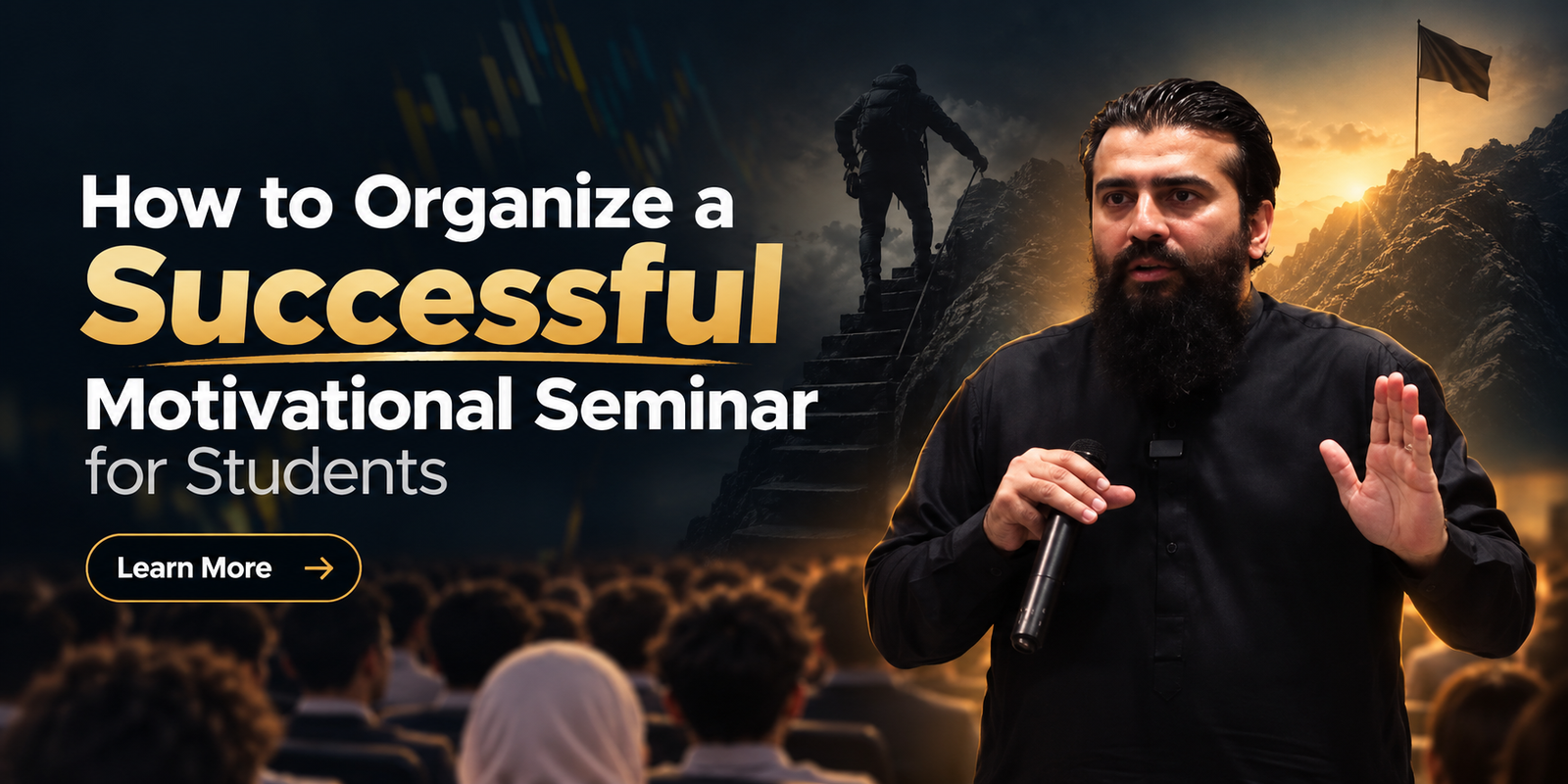
How to Organize a Successful Motivational Seminar for Students

Organizing a successful motivational seminar for students requires more than booking a speaker and arranging a venue. Schools, colleges and universities need to understand their students’ needs, select relevant topics and create an experience that encourages learning, reflection and personal development.

A motivational seminar for students can provide an opportunity to explore leadership, communication, confidence, discipline and future goals. When planned thoughtfully, these events can complement academic education and encourage students to take a more active role in their personal and professional development.

For educational institutions in Pakistan and beyond, the key is to connect inspiration with practical guidance. Students should leave with ideas they can apply to their studies, relationships, responsibilities and future careers.

This guide explains how to plan a student motivational seminar, choose the right speaker, develop an engaging agenda and evaluate the event’s outcomes.

How Do You Organize a Motivational Seminar for Students?

To organize a successful motivational seminar for students, define the event’s objectives, understand the audience, select a suitable speaker, choose relevant topics, plan the venue and schedule, encourage student participation and collect feedback afterward.

The following steps provide a practical framework for schools, colleges, universities and event organizers.

What Is a Motivational Seminar for Students?

A motivational seminar for students is an educational event designed to encourage personal growth, positive habits, leadership and purposeful action.

These seminars may feature a motivational speaker, educator or mentor who discusses topics relevant to students’ academic experiences, personal challenges and future ambitions.

Depending on the audience and event objectives, sessions can cover:

  • Confidence and communication skills
  • Leadership and teamwork
  • Goal-setting and personal discipline
  • Career direction and future planning
  • Resilience and learning from setbacks
  • Character development and ethical responsibility
  • Islamic values and purposeful living

Unlike a conventional classroom lesson, a motivational seminar often uses relatable examples, discussion and practical suggestions to encourage students to reflect on their choices and identify opportunities for improvement.

The aim is not simply to create temporary excitement. A well-planned session should give students useful ideas and realistic actions they can apply in everyday life.

Why Are Motivational Seminars Important for Students?

Academic education provides essential knowledge, but students also benefit from developing interpersonal skills, personal responsibility and the ability to make thoughtful decisions.

Motivational seminars can complement classroom learning by addressing these areas in an engaging format.

1. Building Confidence and Communication Skills

Confidence helps students express their ideas, participate in discussions and approach unfamiliar situations with greater willingness.

A motivational speech for students can explore how preparation, practice and constructive feedback contribute to confidence.

Speakers may also discuss active listening, respectful communication and the importance of learning from mistakes.

2. Developing Leadership and Teamwork

Leadership skills are useful in student societies, group projects, community initiatives and future workplaces.

A student leadership seminar can introduce accountability, teamwork, decision-making and responsible leadership.

Students can learn that leadership is not only about holding a position. It also involves listening to others, supporting a team and taking responsibility for decisions.

3. Encouraging Goal-Setting and Discipline

Students often have ambitions but may struggle to translate them into consistent action.

A seminar can introduce practical approaches to setting achievable goals, prioritizing tasks and building productive habits.

Breaking larger goals into manageable steps can help students track their progress and recognize areas where they need additional support.

4. Preparing Students for Future Challenges

The transition from education to professional life involves new responsibilities and decisions.

Motivational sessions can encourage students to explore their strengths, develop useful skills and approach setbacks constructively.

When career-related guidance is needed, a motivational seminar can complement specialist career counselling rather than replace it.

Step-by-Step Guide to Planning a Successful Student Seminar

Step 1: Define Clear Objectives

Start by identifying what the institution wants students to gain from the event.

Possible objectives include:

  • Improving confidence and communication
  • Introducing leadership principles
  • Encouraging personal discipline
  • Promoting career awareness
  • Strengthening ethical responsibility
  • Supporting personal and spiritual development

Choose a small number of objectives that can realistically be addressed within the available session time.

Clear goals also help organizers evaluate whether the event delivered useful outcomes.

Step 2: Understand Your Audience

The needs of school students may differ significantly from those of university students or recent graduates.

Consider the participants’ age, educational level, interests and the challenges they are currently facing.

For example, school seminars might focus on positive habits, teamwork and confidence. University sessions may explore leadership, career planning, communication and personal responsibility.

Understanding the audience allows the speaker to choose appropriate examples, language and activities.

Step 3: Choose the Right Motivational Speaker

Selecting a suitable motivational speaker for students is an important part of event planning.

Institutions should consider the speaker’s relevant experience, communication style, subject knowledge and ability to adapt content to the audience.

Before confirming a booking, discuss:

  • The event’s objectives and central theme
  • The audience’s age group and expected attendance
  • Preferred language, such as English, Urdu or bilingual delivery
  • Session duration and presentation format
  • Opportunities for audience questions
  • Venue, date and technical requirements

Ask the speaker how the presentation will connect with students’ real experiences and what practical lessons they can expect to take away.

For schools, colleges and universities looking for a speaker whose work includes personal development, leadership and Islamic guidance, explore Shaykh Atif Ahmed’s Motivational Speaker services.

Step 4: Select Relevant Seminar Topics

The topic should address the needs of the intended audience rather than simply follow a popular theme.

Potential topics include:

Personal development: Self-awareness, discipline, confidence and goal-setting.

Leadership: Teamwork, accountability, communication and decision-making.

Career direction: Exploring interests, building relevant skills and preparing for professional opportunities.

Productivity: Prioritization, time management and developing consistent habits.

Character and values: Integrity, responsibility, respect and purposeful living.

Islamic motivation: Connecting faith, good character and personal responsibility with everyday decisions.

Select one main theme and a few supporting points to keep the presentation focused.

Step 5: Plan the Venue and Event Logistics

The event format should match the audience size, budget, location and learning objectives.

Schools and universities may choose an auditorium, classroom, conference hall or online session.

Before the event, confirm:

  • Venue and seating arrangements
  • Date, start time and duration
  • Audio, microphone and presentation equipment
  • Registration and audience entry arrangements
  • Speaker requirements and contact details
  • Session schedule and question-and-answer time

Communicate the arrangements to the speaker and organizing team in advance.

Step 6: Encourage Student Participation

A seminar becomes more engaging when students have opportunities to interact with the content.

Depending on the audience, organizers can include a question-and-answer session, guided reflection, small-group discussion or a short activity related to the topic.

These elements help students connect general ideas with their own goals and experiences.

Participation should remain appropriate for the students’ age group, the available time and the event’s educational objectives.

Step 7: Collect Feedback and Evaluate Outcomes

Attendance alone does not establish whether a seminar was successful.

Organizers can use short surveys, feedback forms or follow-up discussions to understand what participants found useful.

Consider asking:

  • Which idea or lesson was most valuable?
  • What skill would you like to develop further?
  • What action will you take after the seminar?
  • Which topics would you like to explore in future sessions?

Reviewing feedback can help institutions improve future motivational events and choose more relevant topics.

Sample Motivational Seminar Agenda for Students

A clear agenda helps organizers allocate time and maintain the event’s focus.

The following is an illustrative 90-minute format that can be adjusted to suit the audience and speaker.

SessionDuration
Welcome and introduction10 minutes
Main motivational talk30 minutes
Practical examples and reflection15 minutes
Interactive discussion or activity15 minutes
Student questions and answers15 minutes
Closing remarks and feedback5 minutes
Total90 minutes

The exact schedule should be agreed upon with the speaker. Some events may need shorter sessions, additional activities or a different format.

Best Motivational Seminar Topics for Students

Personal Development and Self-Discovery

Students can benefit from learning how to identify their strengths, set meaningful goals and develop habits that support progress.

Possible themes include confidence, self-awareness, personal responsibility and learning from mistakes.

Leadership and Character Building

Leadership sessions can explore teamwork, accountability, ethical decision-making and effective communication.

These topics are particularly relevant for student representatives, society members and participants preparing for professional responsibilities.

Career Planning and Future Readiness

Career-focused sessions can encourage students to explore their interests, understand the importance of skill development and make more informed decisions about their future.

Such seminars can introduce useful questions and planning techniques while directing students toward specialist career guidance when appropriate.

Productivity and Time Management

Students often balance academic work, examinations, extracurricular activities and personal commitments.

A productivity-focused session can introduce prioritization, realistic scheduling, reducing distractions and maintaining consistent study habits.

Islamic Values and Purposeful Living

For institutions seeking a faith-based perspective, motivational talks can connect personal development with Islamic values such as honesty, patience, responsibility and service to others.

These sessions can encourage students to reflect on their intentions, character and contribution to society while pursuing their educational and professional ambitions.

Motivational Seminars for Schools, Colleges and Universities

Different educational institutions may have different priorities when planning a motivational event.

Schools

School seminars can focus on confidence, teamwork, positive habits, respectful behavior and age-appropriate personal development.

Content should be suitable for students’ maturity levels and educational needs.

Colleges

College events can address independence, communication, personal responsibility, academic goals and preparation for future opportunities.

The topics should reflect students’ transition into higher education or professional life.

Universities

University motivational events can explore leadership, career direction, productivity, ethical decision-making and purposeful growth.

These sessions can complement academic learning by encouraging students to consider how their choices and skills may contribute to their future professions and communities.

How to Make a Student Motivational Event More Meaningful

A successful event should connect inspiration with practical learning.

Set Realistic Expectations

A single seminar cannot solve every academic, personal or professional challenge. Its purpose should be to introduce useful ideas and encourage students to take constructive next steps.

Provide Opportunities for Reflection

Encourage students to identify one or two lessons they can apply after the event.

A short reflection activity can help them turn general messages into specific goals.

Connect the Seminar With Further Learning

Where appropriate, institutions can follow up with student leadership activities, mentoring opportunities, personal development workshops or additional educational sessions.

Follow-up activities can help reinforce ideas introduced during the seminar.

Why Consider Shaykh Atif Ahmed for a Student Motivational Seminar?

Shaykh Atif Ahmed is a Pakistani Islamic scholar and motivational speaker whose work focuses on personal development, leadership, character building and purposeful living.

His Motivational Speaker service is intended for audiences that include schools, colleges, universities, youth events, organizations and communities.

Depending on an event’s objectives, organizers can explore themes related to personal growth, leadership with integrity, youth development and Islamic values. The appropriate topic, language and delivery format should be discussed with the team before booking.

Schools, colleges and universities planning an event can visit the official Shaykh Atif Ahmed Motivational Speaker page to review the service and submit an enquiry.

When making an inquiry, share the institution’s name, proposed date, audience type, expected attendance, preferred topic and event location. Providing these details can help the team understand the requirements and discuss a suitable arrangement.

Frequently Asked Questions

1. What is the purpose of a motivational seminar for students?

A motivational seminar encourages students to reflect on their goals, explore personal development and learn practical approaches to confidence, leadership, communication and future planning.

2. How do you organize a motivational seminar for students?

Define the objectives, understand the audience, select a suitable speaker, choose relevant topics, plan the venue and schedule, encourage student participation and collect feedback after the event.

3. What are the best topics for a student motivational seminar?

Suitable topics include leadership, confidence, communication, personal discipline, career planning, productivity, character development and purposeful living. The best choice depends on the students’ needs and the institution’s objectives.

4. How do you choose a motivational speaker for students?

Consider the speaker’s relevant experience, audience suitability, communication style, topic expertise and ability to connect the presentation with practical learning outcomes.

5. How long should a motivational seminar for students last?

The duration depends on the audience, topic and event objectives. Organizers should agree on the schedule with the speaker and allow appropriate time for the main presentation, audience interaction and questions.

6. Can a motivational seminar include Islamic teachings?

Yes. Where appropriate to the audience and institution, a seminar can incorporate Islamic values, character development, personal responsibility and purposeful living alongside practical personal development.

7. How can a school or university book Shaykh Atif Ahmed?

Schools, colleges, universities and event organizers can visit the Motivational Speaker service page to review the service and submit an enquiry with their event requirements.

Conclusion

A successful motivational seminar for students begins with a clear purpose, a relevant topic and an understanding of the audience.

By selecting a suitable speaker, planning an engaging agenda, encouraging student participation and collecting feedback, educational institutions can create a meaningful learning experience that complements academic education.

Whether the focus is leadership, confidence, career direction or Islamic values, the aim should be to help students turn useful ideas into realistic actions.

If your school, college or university is planning a motivational seminar, explore Shaykh Atif Ahmed’s Motivational Speaker services to discuss a session suited to your audience and event objectives.

×

Book Your Session

Fill in your details below and our team will contact you shortly on WhatsApp.