
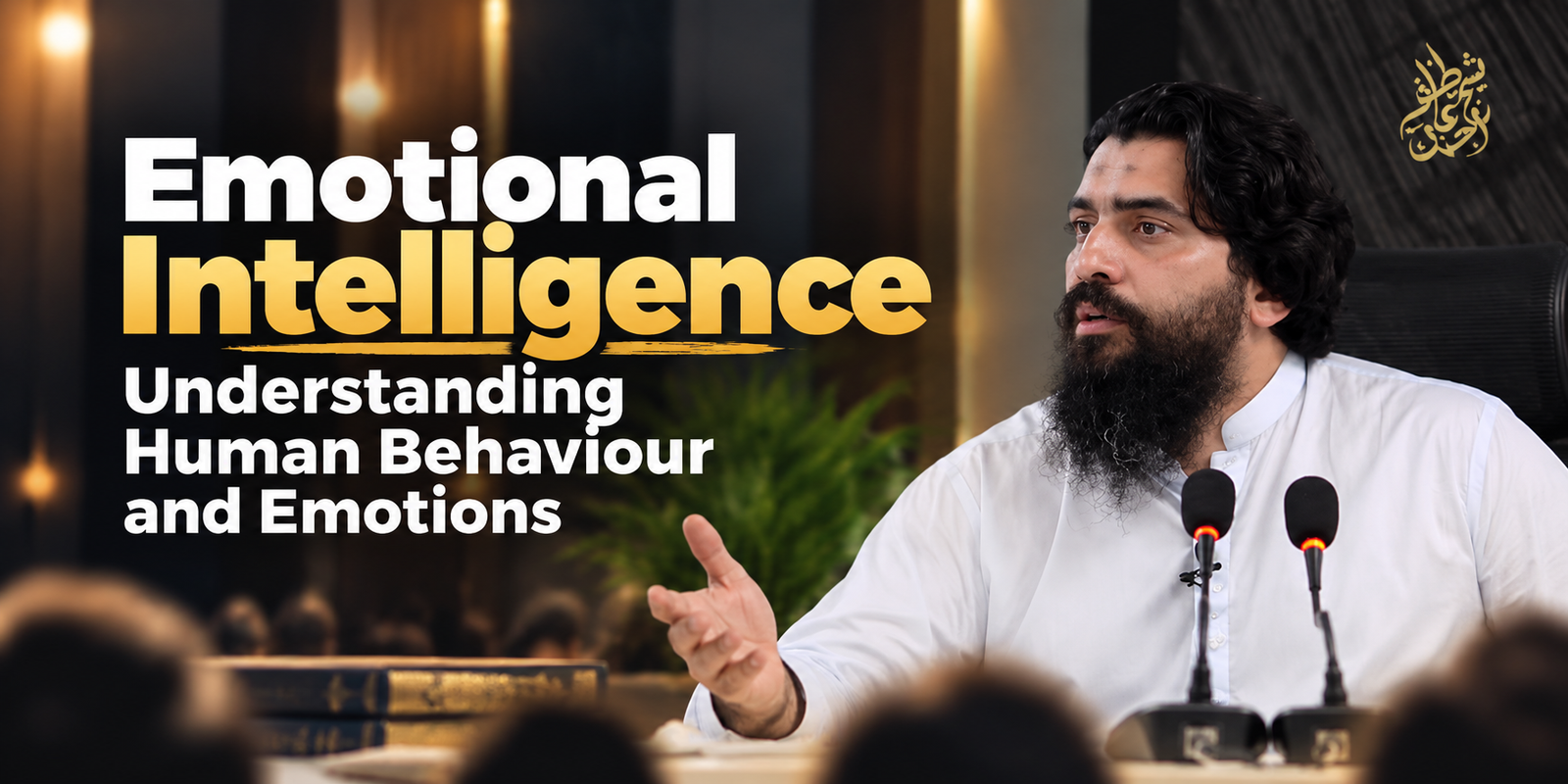
Emotional intelligence is one of the most important skills for understanding yourself, managing emotions, building meaningful relationships, and responding effectively to the people around you. It influences how you handle difficult conversations, make decisions, deal with pressure, and understand human behaviour.
Have you ever wondered why some people remain calm during stressful situations while others react immediately? Why can certain individuals understand what another person is feeling without being told? The answer often involves emotional awareness, empathy, self-regulation, and emotional intelligence.
Emotional intelligence, commonly known as EQ or EI, is the ability to recognise, understand, and use emotional information to guide thinking and behaviour. It involves understanding your own feelings as well as recognising emotions in others.
In today’s fast-changing world, emotional intelligence is valuable in personal relationships, education, leadership, professional environments, and everyday decision-making. Developing it can help individuals communicate more effectively, manage disagreements, and build stronger connections.
In this comprehensive guide, we explore the meaning of emotional intelligence, its key components, real-life examples, its relationship with human behaviour, and practical ways to develop stronger emotional skills.
What Is Emotional Intelligence?
Emotional intelligence (EI) refers to the ability to recognise emotions, understand what they communicate, and use emotional information effectively when thinking, making decisions, and interacting with others.
Psychologists Peter Salovey and John D. Mayer introduced a formal model of emotional intelligence in 1990. Their work described emotional intelligence as a set of abilities involving the perception, understanding, and regulation of emotions.
The concept later became widely known through Daniel Goleman’s work on emotional intelligence and its application to leadership, relationships, and personal development.
In simple terms, emotional intelligence means knowing what you feel, understanding why you feel it, and choosing how to respond rather than allowing every emotion to control your actions.
For example, imagine receiving criticism from a colleague. One person might immediately become defensive, while another listens carefully, considers the feedback, and responds constructively. The difference may reflect how effectively each person recognises and manages emotional reactions.
Emotional intelligence does not mean suppressing emotions or pretending to be happy all the time. It means developing the awareness and skills to respond to emotions thoughtfully.
Why Is Emotional Intelligence Important?
Emotions influence almost every area of human life. They affect our communication, relationships, decisions, reactions, and understanding of other people.
Developing emotional intelligence can help individuals in several important ways.
1. Better Understanding of Yourself
Self-understanding begins with recognising your emotional patterns. When you understand what makes you frustrated, motivated, anxious, or confident, you can make more thoughtful decisions.
For example, recognising that stress makes you impatient can help you pause before responding to a difficult situation.
2. Stronger Personal Relationships
Healthy relationships require more than communication. They also require listening, empathy, patience, and an understanding of different emotional perspectives.
Emotionally aware individuals are better equipped to recognise misunderstandings and approach disagreements constructively.
3. Improved Decision-Making
Emotions can influence decisions, sometimes without us noticing. Emotional intelligence helps individuals recognise emotional influences and consider relevant information before acting.
It does not mean ignoring feelings. Instead, it means balancing emotional information with facts, reasoning, and long-term consequences.
4. More Effective Leadership
Leadership involves understanding people, communicating expectations, managing disagreements, and motivating teams.
Leaders who demonstrate empathy and emotional awareness can create more supportive environments and respond more effectively to workplace challenges.
5. Better Conflict Management
Disagreements are a normal part of human interaction. Emotional intelligence helps individuals identify the emotions behind disagreements, listen to different perspectives, and work towards constructive solutions.
6. Greater Adaptability
Life involves uncertainty, unexpected changes, and challenging experiences. Emotional awareness can help people recognise their reactions and respond more deliberately when circumstances change.
What Are the Five Components of Emotional Intelligence?
Daniel Goleman’s popular emotional intelligence framework identifies five important components. These are useful areas for understanding and developing emotional competencies.
1. Self-Awareness
Self-awareness is the ability to recognise your emotions and understand how they influence your thoughts and behaviour.
People with stronger self-awareness are more likely to recognise their strengths, limitations, emotional triggers, and behavioural patterns.
For example, if you notice that you become frustrated whenever someone disagrees with you, you can explore why that reaction occurs and learn to respond more constructively.
How to develop self-awareness:
- Reflect on your emotional reactions.
- Identify situations that trigger frustration or anxiety.
- Recognise your strengths and areas for improvement.
- Ask trusted people for constructive feedback.
- Keep a journal of recurring emotional patterns.
2. Self-Regulation
Self-regulation means managing emotional reactions rather than allowing immediate impulses to determine your behaviour.
It does not mean eliminating anger, sadness, or frustration. It means expressing and managing these emotions appropriately.
For example, instead of responding angrily to a disagreement, you can pause, consider the situation, and choose a respectful response.
How to develop self-regulation:
- Pause before responding to emotionally difficult situations.
- Practise patience during disagreements.
- Avoid making important decisions while overwhelmed.
- Develop healthy ways to manage stress.
- Take responsibility for your behaviour.
3. Internal Motivation
Motivation involves maintaining commitment towards meaningful goals, even when progress becomes difficult.
People who develop strong internal motivation are often guided by personal values, purpose, discipline, and a willingness to learn.
For example, a student who continues working towards educational goals despite setbacks demonstrates persistence and self-motivation.
How to strengthen motivation:
- Set meaningful and realistic goals.
- Break large objectives into manageable tasks.
- Focus on long-term progress rather than immediate rewards.
- Learn from mistakes.
- Recognise personal achievements.
4. Empathy
Empathy is the ability to understand or appreciate another person’s emotional experience and perspective.
It does not require agreeing with everyone. Instead, it involves recognising that other people may experience situations differently.
For example, when a colleague is struggling, an empathetic response involves listening and trying to understand their situation rather than immediately judging their behaviour.
How to develop empathy:
- Listen without interrupting.
- Avoid making assumptions about people’s feelings.
- Consider different perspectives.
- Ask thoughtful questions.
- Respond with understanding and respect.
5. Social Skills
Social skills involve communicating effectively, developing relationships, managing disagreements, and working constructively with others.
These skills are important in families, friendships, educational institutions, and professional environments.
How to improve social skills:
- Communicate clearly and respectfully.
- Practise active listening.
- Give constructive feedback.
- Respect personal boundaries.
- Learn to resolve disagreements calmly.
It is important to understand that Goleman’s five-component framework is a popular model, not the only scientific definition of emotional intelligence. The original ability-based model by Mayer and Salovey focuses on perceiving, using, understanding, and managing emotions.
How Does Emotional Intelligence Influence Human Behaviour?
Human behaviour is influenced by multiple factors, including emotions, experiences, beliefs, personality, environment, and social relationships.
Emotional intelligence helps individuals recognise how emotions influence their reactions and interactions.
Consider these everyday examples.
Emotional Reactions
Two people may experience the same frustrating situation but respond differently. One may react impulsively, while the other pauses and considers the consequences.
The difference can involve emotional awareness, learned coping strategies, and individual circumstances.
Communication Patterns
People who recognise emotional signals may become more aware of how their words and tone affect others.
This can improve conversations, reduce misunderstandings, and support healthier interactions.
Behaviour During Disagreements
Some individuals interpret disagreement as a personal attack. Others can separate the discussion from their self-worth and consider alternative viewpoints.
Emotional awareness can help people approach disagreements with greater patience.
Understanding Other People’s Feelings
Facial expressions, tone of voice, body language, and the context of a conversation can provide clues about another person’s emotional state.
However, these signals are not always reliable. Asking respectful questions is often better than assuming what someone feels.
Understanding these behavioural patterns can help individuals develop more thoughtful responses in everyday life.
Emotional Intelligence vs IQ: What Is the Difference?
Emotional intelligence and intelligence quotient (IQ) describe different aspects of human abilities.
IQ generally relates to cognitive abilities such as reasoning, problem-solving, and certain forms of learning. Emotional intelligence focuses on recognising, understanding, and working with emotional information.
| Emotional Intelligence (EQ) | Intelligence Quotient (IQ) |
| Understanding emotional information | Cognitive reasoning abilities |
| Recognising emotions | Solving logical problems |
| Managing emotional reactions | Processing information |
| Understanding emotional perspectives | Learning and analytical reasoning |
| Supporting interpersonal interactions | Handling cognitive tasks |
Both can be valuable in personal and professional life.
A person may have strong analytical abilities but struggle with emotionally difficult conversations. Another person may understand interpersonal dynamics very well but need support with certain technical or analytical tasks.
Neither EQ nor IQ alone provides a complete picture of a person’s abilities.
How to Improve Emotional Intelligence: 10 Practical Strategies
Emotional intelligence can be developed through learning, reflection, and consistent practice. Progress takes time, but small daily improvements can make a meaningful difference.
1. Identify Your Emotions
Instead of simply saying that you feel bad, try identifying the specific emotion. Are you disappointed, frustrated, worried, embarrassed, or overwhelmed?
Naming emotions can help you understand what is happening internally.
2. Understand Your Emotional Triggers
Notice the situations that repeatedly lead to strong emotional reactions.
These may include criticism, uncertainty, rejection, pressure, or misunderstandings.
Recognising triggers helps you prepare more thoughtful responses.
3. Practise Active Listening
Give people your full attention when they speak. Avoid preparing your response while they are still explaining their perspective.
Listen to understand rather than simply to reply.
4. Think Before You React
When emotions become intense, take a moment before responding.
A short pause can create space to consider your words and avoid unnecessary conflict.
5. Develop Empathy
Try to understand the experiences and perspectives of others without immediately judging them.
Ask yourself what circumstances might influence their feelings or behaviour.
6. Accept Constructive Feedback
Feedback can sometimes feel uncomfortable. Instead of immediately becoming defensive, consider whether it contains useful information.
You do not have to agree with every criticism, but you can learn to evaluate it objectively.
7. Improve Your Communication
Express your feelings clearly and respectfully. Avoid blaming language and focus on explaining your perspective.
For example, saying “I felt overlooked during that discussion” is often more constructive than accusing someone of never listening.
8. Reflect on Your Daily Interactions
At the end of each day, consider:
- What emotions did I experience today?
- How did I respond to difficult situations?
- Did I understand other people’s perspectives?
- What could I handle differently next time?
Regular reflection can help you recognise behavioural patterns.
9. Learn to Manage Stress
Sleep, physical activity, healthy routines, and appropriate relaxation strategies can support emotional wellbeing.
When stress becomes difficult to manage, professional support may be helpful.
10. Practise Consistently
Emotional intelligence is not developed through one motivational session or a single exercise.
It requires consistent attention to emotional awareness, communication, empathy, and personal responsibility.
Emotional Intelligence in Leadership and the Workplace
Emotional intelligence is particularly relevant in professional environments because work involves collaboration, communication, decision-making, and managing different personalities.
An emotionally aware leader understands that employees are individuals with different experiences, motivations, and communication styles.
Important applications include:
Team communication: Listening to employees and communicating expectations clearly.
Conflict resolution: Addressing disagreements without allowing personal emotions to dominate discussions.
Decision-making: Considering relevant facts, potential consequences, and emotional influences.
Employee development: Giving constructive feedback while recognising individual strengths and development needs.
Adaptability: Helping teams navigate organisational changes with clear communication and support.
Emotional intelligence can complement technical knowledge and professional experience. It should not, however, be treated as a substitute for competence, accountability, or sound management practices.
Emotional Intelligence in Islam: Managing Emotions Through Character and Self-Control
Islam places great importance on character, patience, compassion, self-control, and respectful interaction with others.
Although emotional intelligence is a modern psychological term, several of its practical themes connect with Islamic teachings about human conduct.
Controlling Anger
The Quran praises those who restrain anger and pardon others.
Surah Al-Imran (3:134) describes people who control their anger and forgive others.
This teaching highlights the importance of responding to difficult situations with restraint rather than allowing anger to dictate behaviour.
Responding With Kindness
Surah Fussilat (41:34) teaches that good and evil are not equal and encourages responding to wrongdoing with what is better.
This provides an important lesson about patience, character, and constructive responses during disagreements.
Respecting Other People
Surah Al-Hujurat (49:11–12) warns against mocking, insulting, suspicion, and backbiting.
These teachings encourage individuals to consider how their words and assumptions affect others.
Developing Personal Accountability
Islam encourages self-reflection and responsibility for one’s actions.
A person should consider not only what they feel but also how they express those feelings and how their behaviour affects other people.
Emotional awareness, when combined with sincerity, patience, compassion, and accountability, can contribute to better character and healthier relationships.
These Quranic principles are ethical and spiritual guidance, not a replacement for psychological assessment or professional mental health care.
Common Myths About Emotional Intelligence
There are several misunderstandings about emotional intelligence.
Myth 1: Emotionally intelligent people never get angry.
Reality: They experience anger like other people but work towards responding to it constructively.
Myth 2: Empathy means agreeing with everyone.
Reality: You can understand another person’s feelings without agreeing with their decisions or behaviour.
Myth 3: Emotional intelligence means hiding emotions.
Reality: It involves recognising and managing emotions appropriately, not suppressing every feeling.
Myth 4: Emotional intelligence is only important for leaders.
Reality: It can be useful in families, friendships, education, teamwork, and everyday interactions.
Myth 5: Emotional intelligence is something you either have or do not have.
Reality: Many emotional skills can be practised and developed over time.
Frequently Asked Questions About Emotional Intelligence
1. What is emotional intelligence in simple words?
Emotional intelligence is the ability to recognise, understand, and manage your emotions while also understanding the emotions of other people.
2. What are the five components of emotional intelligence?
The five components in Daniel Goleman’s popular framework are self-awareness, self-regulation, internal motivation, empathy, and social skills.
3. Why is emotional intelligence important?
It can support better communication, stronger relationships, thoughtful decision-making, effective teamwork, and constructive conflict management.
4. Can emotional intelligence be learned?
Yes. Skills such as emotional awareness, active listening, empathy, and self-regulation can be developed through practice, reflection, and learning.
5. What are the signs of high emotional intelligence?
Common indicators include recognising emotional triggers, listening carefully, accepting feedback, considering other perspectives, and responding thoughtfully during disagreements.
6. What is the difference between emotional intelligence and IQ?
IQ generally concerns cognitive abilities, while emotional intelligence concerns the recognition, understanding, and management of emotional information.
7. How does emotional intelligence affect relationships?
It can help people communicate more clearly, understand different perspectives, manage disagreements, and respond to each other with greater consideration.
8. How can I improve emotional intelligence in daily life?
Start by identifying your emotions, listening carefully, pausing before reacting, understanding other perspectives, and reflecting on your daily interactions.
9. What does Islam teach about emotional control?
Islam encourages patience, restraint in anger, forgiveness, compassion, and respectful behaviour. These values are reflected in several Quranic teachings, including Surah Al-Imran (3:134).
10. Is emotional intelligence more important than IQ?
Neither is universally more important. Their relevance depends on the task and circumstances. Cognitive abilities and emotional skills can complement each other.
Final Thoughts: Building a Better Understanding of Yourself and Others
Emotional intelligence is an important part of understanding human behaviour. It helps individuals become more aware of their feelings, recognise the perspectives of others, and make thoughtful choices during challenging situations.
Developing emotional intelligence is an ongoing process. It requires self-reflection, patience, empathy, effective communication, and a willingness to learn from everyday experiences.
When individuals combine emotional awareness with strong values and personal accountability, they can build healthier relationships and contribute more positively to their families, workplaces, and communities.
For those interested in personal growth, leadership, and a deeper understanding of human behaviour, learning to recognise and manage emotions is a valuable step towards a more thoughtful and purposeful life.
About Shaykh Atif Ahmed
Shaykh Atif Ahmed is a motivational speaker, life coach, and educator whose work focuses on Islamic teachings, spirituality, personal development, and leadership. Through educational programs, mentorship, and speaking engagements, he encourages individuals to pursue personal growth while maintaining a strong connection with their values and responsibilities.
Explore Shaykh Atif Ahmed’s life coaching and mentorship services to learn more about personal development and guidance.
