
Understanding Depression Through an Islamic Lens
Depression is one of the most misunderstood emotional struggles within Muslim communities. Many people silently suffer because they consider being in depression to mean a weaker faith, spiritually. This belief adds guilt to pain and pushes people further into isolation.
Islam understands emotional suffering, and it acknowledges the reality of a wounded heart and treats it with mercy, not accusation. Feeling sadness, heaviness, or emotional exhaustion does not make a person less faithful. It makes them human.
In 2026, more Muslims are beginning to understand that depression is not a spiritual flaw. It is an emotional condition that deserves care, guidance, and healing within the framework of faith.
Depression Is Not a Weakness of Iman
The idea that having strong faith automatically prevents emotional pain is just a myth and is not supported by Islamic history or teachings.
The Qur’an speaks openly about grief, fear, and sorrow experienced by believers. Prophets faced moments of deep emotional distress despite their closeness to Allah. Emotional pain was not a sign of distance from Allah. It was part of the human experience.
Depression does not mean someone lacks tawakkul or sabr. Often, it means they have been carrying emotional weight alone for too long. Islam does not ask people to suppress pain in silence. It encourages honesty with Allah and compassion toward oneself.
Emotional Suffering in the Modern Muslim World
Today’s Muslims are facing a constant pressure that previous generations did not experience in the same way. Because it is not expressed openly, emotional burnout has become common.
Many Muslims struggle with:
- Emotional exhaustion from constant responsibility
- Marital stress and relationship strain
- Financial pressure and uncertainty
- Identity confusion and social comparison
- Guilt over feeling disconnected from worship
People continue their daily routines while feeling emotionally numb, overwhelmed, or disconnected inside. This creates a form of silent depression. Because they appear functional, their pain goes unnoticed, even by those closest to them.
Islam does not expect believers to endure emotional suffering without support. Emotional well-being is part of amanah. There is no shame in getting care and guidance when the heart feels heavy.
Why Depression Often Goes Unspoken Among Muslims
Due to fear of being judged or misunderstood, many Muslims avoid speaking about depression. They think their pain will be dismissed with gratitude or patience. As a result, they isolate themselves emotionally. This silence does not heal the heart, but it deepens the wound.
Islam encourages seeking help when suffering becomes overwhelming. Emotional pain deserves attention and care just as physical illness requires treatment. Seeking understanding and guidance is a responsible act during low times.
This understanding lays the foundation for healing. When depression is viewed through an Islamic lens, shame is replaced with compassion, and hope begins to return.

How Islam Approaches Emotional Healing
According to Islam, emotional pain should not be ignored, suppressed, or felt guilty about. Emotional healing in Islam means understanding the heart, tending to it gently, and restoring balance with mercy. It is not about forcing positivity or masking pain with religious phrases.
In 2026, more Muslims are realizing that healing requires both spiritual connection and emotional care. Islam offers space for both.
The Heart in Islam Needs Care, Not Suppression
The heart holds emotions, intentions, fears, and hopes. Islam places immense importance on the state of the heart because it influences behaviour, relationships, and spiritual connection.
When the heart is burdened with grief, anxiety, or emotional fatigue, suppressing emotions often leads to emotional numbness or spiritual distance. Islam acknowledges suffering and encourages seeking relief with wisdom.
Caring for the heart means allowing yourself to understand why the pain exists and addressing it with compassion. Emotional awareness is a self-responsibility.
Sabr Does Not Mean Silence
Patience in Islam is often misunderstood. Sabr means responding to hardship with intention, restraint, and trust in Allah while taking the steps needed to heal.
There is a difference between acceptance and suppression. Islam encourages believers to accept trials while also seeking solutions. Emotional healing often begins when someone allows themselves to say, “I am struggling,” without shame.
Sabr includes reaching out for guidance, seeking understanding, and allowing space for recovery. Silence does not equal strength. Healing revives strength.
When Duas Alone Feel Heavy
Dua is powerful, but emotional pain can sometimes make even spiritual practices feel difficult. Many Muslims feel guilt when they struggle to connect during prayer or feel emotionally distant despite making dua. This experience is more common than many realize.
Islam recognizes that support is needed to restore connection gently when emotional pain is heavy. Faith and guidance work together. Seeking support strengthens the heart’s ability to receive peace.
At times, healing helps you untangle emotions and reconnect with faith in ways that feel safe and meaningful.
Faith and Support Are Meant to Work Together
Islamic tradition does not isolate emotional healing from guidance and mentorship. Throughout history, believers sought counsel, companionship, and wisdom during times of distress.
Emotional healing becomes sustainable when spiritual practices are supported by understanding, reflection, and compassionate guidance. This approach prevents burnout, spiritual guilt, and emotional withdrawal.
If you are seeking faith-aligned understanding and emotional clarity, you can explore Islamic guidance and counselling here: Explore More
Islamic Counselling for Depression?
Islamic counselling for depression is not a lecture, a judgment, or a reminder. It is a guided process to help a person heal emotionally, rooted in Islamic values. The goal of counselling is to support the heart, mind, and spiritual connection.
Many Muslims hesitate to seek counselling because they fear being misunderstood or spiritually labelled. Islamic counselling exists to remove that fear.
Islamic Counselling Explained Simply
Islamic counselling combines emotional understanding with faith-based guidance. It acknowledges emotional pain without disconnecting it from iman. The counsellor listens first, understands the emotional struggle, and then helps the person rebuild stability using Islamic principles.
This type ocounsellingng focuses on:
- Emotional safety and trust
- Understanding the root of sadness, anxiety, or numbness
- Reducing guilt and spiritual self-blame
- Reconnecting with faith gently, not forcefully
- Building emotional strength without pressure
The counselling process respects where a person is emotionally and spiritually. There is no expectation to be “strong” or “perfect.”
How It Helps Depression Specifically
Depression often creates emotional fog, demotivation, and distance from worship. Islamic counselling helps untangle this fog step by step.
Through guided conversations, a person begins to:
- Understand their emotional triggers
- Separate guilt from genuine accountability
- Learn healthier emotional responses
- Rebuild self-worth through Islamic understanding
- Restore hope without denial of pain
Healing is approached gradually. Progress happens at a pace that feels safe.
How IslamicCounsellingg Differs from General Therapy
In General therapy, many Muslims feel disconnected when their faith is treated as irrelevant or optional. Islamic counselling places faith at the center without using it as a weapon.
Key differences include:
- Faith is respected, not dismissed
- Emotional pain is not labelled as spiritual failure
- Religious language is used carefully
- Moral guilt is addressed with compassion
- Healing aligns with Islamic values and worldview
This creates a sense of relief for many Muslims who feel torn between emotional pain and faith.
A Safe Space Without Judgment
Islamic counselling is one of the powerful and safest ways of healing. There is no shaming, no minimizing pain, and no pressure to perform spiritually.
A person is allowed to be honest about:
- Feeling disconnected from worship
- Feeling angry, numb, or hopeless
- Feeling exhausted by expectations
- Feeling confused about faith during emotional pain
Signs You May Need Islamic Counselling Support
Many people live with depression for years without realizing that this is not simply tiredness or a temporary phase. Emotional pain often hides behind productivity, responsibility, and silence. Islamic counselling becomes necessary when the heart becomes overwhelmed without relief.
Recognizing the signs is about understanding when your emotional load has become too heavy to carry alone.
Emotional Signs That Should Not Be Ignored
Depression often expresses itself quietly. Some emotional signs include:
- Persistent sadness or emptiness
- Feeling emotionally numb or disconnected
- Loss of motivation or interest in things
- Constant fatigue, even after rest
- Difficulty concentrating or making decisions
These feelings indicate that emotional healing is needed.
Spiritual Signs That Signal Emotional Strain
Emotional pain often affects spiritual connection. Many Muslims feel confused or guilty, assuming it reflects weak faith. In reality, it usually reflects emotional exhaustion.
Signs may include:
- Difficulty focusing during salah
- Feeling distant from the dua or Qur’an
- Worship feels heavy rather than comforting
- Avoidance of spiritual practices due to guilt
Islam recognizes that emotional pain can cloud spiritual clarity. This does not make someone sinful.
Relationship and Social Withdrawal Signs
Depression frequently impacts how a person connects with others. Emotional withdrawal is a protective response, not a personality flaw.
Common signs include:
- Avoiding conversations or social gatherings
- Increased irritability with loved ones
- Feeling misunderstood even when surrounded by people
- Struggling in marriage or close relationships
Guidance becomes important when emotional isolation begins affecting relationships.
When “I’ll Handle It Myself” Stops Working
Many Muslims delay seeking help because they believe strength means handling pain privately. Over time, this belief leads to deeper exhaustion and emotional burnout.
Islamic counselling is a form of self-care that honours the amanah of the heart. Seeking guidance is choosing healing.
Support is available to respect your faith and emotional experience.
How Islamic Counselling Helps Emotional Healing
Emotional healing happens when pain is understood, processed, and supported with care. Islamic counselling focuses on healing the heart without stripping away faith or dignity. It creates a safe path without rushing to recovery or minimizing suffering.
For many Muslims, this approach finally aligns emotional healing with spiritual values.
Healing Without Judgment or Shame
Shame is one of the greatest obstacles to healing. Many people believe their depression makes them ungrateful, weak, or spiritually flawed. Islamic counselling removes this burden by separating emotional pain from moral failure.
In counselling, a person is allowed to speak freely about sadness, anger, exhaustion, or confusion without being corrected or judged. This emotional safety enables the heart to relax. Healing begins naturally when shame decreases.
Islamic counselling replaces self-blame with understanding and compassion.
Understanding the Emotional Roots of Depression
Depression builds slowly through emotional wounds, unresolved stress, relationship strain, and internal pressure. Islamic counselling helps gently uncover these roots.
Through guided conversation, a person begins to understand:
- Why certain emotions feel overwhelming
- How past experiences still affect the present
- Why emotional numbness develops
- How internal guilt intensifies sadness
Understanding brings clarity to reduce fear. When emotions make sense, they feel less powerful and more manageable.
Reconnecting With Faith Without Pressure
Many people fear counselling because they worry it will either ignore faith or force religious expectations.
Faith is reintroduced slowly and respectfully. When the heart feels safe, spiritual connection returns naturally. Healing focuses on restoring trust in Allah through compassion, not obligation.
When emotional pain eases, worship begins to feel comforting again instead of heavy.
Building Emotional Strength Through Islamic Values
Islamic counselling helps rebuild emotional resilience using Islamic principles to promote balance and mercy. Individuals learn healthier ways to respond to stress, disappointment, and fear rather than suppressing their emotions.
This includes:
- Emotional regulation through reflection
- Setting boundaries without guilt
- Replacing harsh self-talk with self-compassion
- Learning patience without emotional neglect
Strength grows gradually with healing.
When Emotional Pain Affects Marriage and Family
Depression often affects relationships deeply. Emotional withdrawal, irritability, and misunderstanding can strain marriages and family bonds. Islamic counselling addresses emotional pain without blaming spouses or creating division.
Faith-aligned guidance becomes even more important when emotional struggles begin impacting relationships.
Explore Islamic marriagecounsellingg and emotional support here: Islamic MarriagCounsellingng
This support helps couples and families understand emotional pain and rebuild connection with empathy.
Islamic counselling offers a path toward healing that respects faith, emotions, and human limits.
Why Islamic Counselling Matters More Than Ever in 2026
In 2026, emotional struggles are more visible but still not deeply misunderstood by Muslims. Social pressure, constant comparison, marital strain, financial uncertainty, and spiritual fatigue have intensified the emotional struggle. Many people function outwardly while feeling empty inside. Traditional advice alone often feels insufficient, while generic therapy can feel disconnected from faith.
Islamic counselling offers healing that honours faith while addressing real emotional pain. It integrates both iman and mental well-being.
This approach recognizes that depression can affect worship, relationships, and self-worth, and healing must be compassionate, gradual, and aligned with Islamic values.
Why This Faith-Aligned Approach Works
Islamic counselling works with understanding, not correction. It validates pain before guiding action. It helps people gently rebuild emotional stability while restoring spiritual connection.
This approach:
- Normalizes emotional struggle without minimizing faith
- Addresses guilt and shame with mercy
- Respects personal boundaries and emotional capacity
- Reconnects the heart to Allah without pressure
For many, this is the first time they feel truly understood.
A Trusted Path for Emotional and Spiritual Healing
In 2026, many Muslims are seeking guidance from counsellors who understand both the heart and the deen. Faith-centred approach rooted in Islamic psychology and real-life counselling has become essential for sustainable healing.
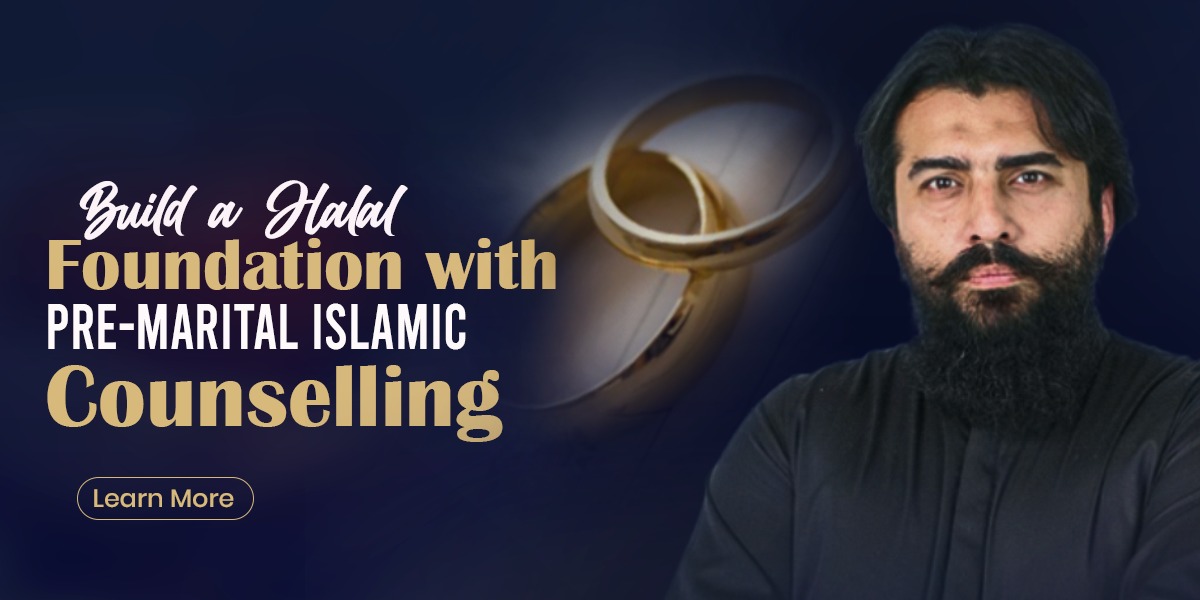
Shaykh Atif Ahmed prioritizes listening, emotional clarity, and healing before instruction. His approach recognizes modern Muslim struggles without judgment and offers guidance that feels grounded, humane, and hopeful.
If you are looking for faith-aligned understanding and emotional support, you can explore Islamic guidance and counselling here:
https://shaykhatifahmed.com/

How to Begin Healing Without Overwhelm
Counselling requires honesty and a willingness to be cared for. You do not need to have the right words or a clear explanation of your pain. That clarity develops through the process.
Beginning may simply mean:
- Acknowledging that you are struggling
- Allowing yourself to seek understanding
- Choosing support to respect your faith
Dedicated support can help restore a sense of connection with compassion if emotional pain is affecting your marriage or close relationships. You can learn more about Islamic marriage counselling and emotional support here:
https://shaykhatifahmed.com/marriage-counseling/
Conclusion: Healing Is Mercy, Not Weakness
Depression is not a punishment, a failure, or a sign of a weak iman. It is a signal that the heart needs care. Islam offers mercy, understanding, and paths toward healing.
If you are struggling, seeking help is an act of courage and responsibility. Healing does not require abandoning faith.
You deserve support that understands your pain, honours your beliefs, and gently, respectfully, and with love guides you toward emotional peace.