Contact Us

Islamic counselling for depression and emotional healing 2026

Understanding Depression Through an Islamic Lens

Depression is one of the most misunderstood emotional struggles within Muslim communities. Many people silently suffer because they consider being in depression to mean a weaker faith, spiritually. This belief adds guilt to pain and pushes people further into isolation.

Islam understands emotional suffering, and it acknowledges the reality of a wounded heart and treats it with mercy, not accusation. Feeling sadness, heaviness, or emotional exhaustion does not make a person less faithful. It makes them human.

In 2026, more Muslims are beginning to understand that depression is not a spiritual flaw. It is an emotional condition that deserves care, guidance, and healing within the framework of faith.

Depression Is Not a Weakness of Iman

The idea that having strong faith automatically prevents emotional pain is just a myth and is not supported by Islamic history or teachings.

The Qur’an speaks openly about grief, fear, and sorrow experienced by believers. Prophets faced moments of deep emotional distress despite their closeness to Allah. Emotional pain was not a sign of distance from Allah. It was part of the human experience.

Depression does not mean someone lacks tawakkul or sabr. Often, it means they have been carrying emotional weight alone for too long. Islam does not ask people to suppress pain in silence. It encourages honesty with Allah and compassion toward oneself.

Emotional Suffering in the Modern Muslim World

Today’s Muslims are facing a constant pressure that previous generations did not experience in the same way. Because it is not expressed openly, emotional burnout has become common.

Many Muslims struggle with:

  • Emotional exhaustion from constant responsibility
  • Marital stress and relationship strain
  • Financial pressure and uncertainty
  • Identity confusion and social comparison
  • Guilt over feeling disconnected from worship 

People continue their daily routines while feeling emotionally numb, overwhelmed, or disconnected inside. This creates a form of silent depression.  Because they appear functional, their pain goes unnoticed, even by those closest to them.

Islam does not expect believers to endure emotional suffering without support. Emotional well-being is part of amanah. There is no shame in getting care and guidance when the heart feels heavy.

Why Depression Often Goes Unspoken Among Muslims

Due to fear of being judged or misunderstood, many Muslims avoid speaking about depression. They think their pain will be dismissed with gratitude or patience. As a result, they isolate themselves emotionally. This silence does not heal the heart, but it deepens the wound.

Islam encourages seeking help when suffering becomes overwhelming. Emotional pain deserves attention and care just as physical illness requires treatment. Seeking understanding and guidance is a responsible act during low times.

This understanding lays the foundation for healing. When depression is viewed through an Islamic lens, shame is replaced with compassion, and hope begins to return.

 

How Islam Approaches Emotional Healing

According to Islam, emotional pain should not be ignored, suppressed, or felt guilty about. Emotional healing in Islam means understanding the heart, tending to it gently, and restoring balance with mercy. It is not about forcing positivity or masking pain with religious phrases. 

In 2026, more Muslims are realizing that healing requires both spiritual connection and emotional care. Islam offers space for both.

The Heart in Islam Needs Care, Not Suppression

The heart holds emotions, intentions, fears, and hopes. Islam places immense importance on the state of the heart because it influences behaviour, relationships, and spiritual connection.

When the heart is burdened with grief, anxiety, or emotional fatigue, suppressing emotions often leads to emotional numbness or spiritual distance. Islam acknowledges suffering and encourages seeking relief with wisdom.

Caring for the heart means allowing yourself to understand why the pain exists and addressing it with compassion. Emotional awareness is a self-responsibility. 


Sabr Does Not Mean Silence

Patience in Islam is often misunderstood. Sabr means responding to hardship with intention, restraint, and trust in Allah while taking the steps needed to heal. 

There is a difference between acceptance and suppression. Islam encourages believers to accept trials while also seeking solutions. Emotional healing often begins when someone allows themselves to say, “I am struggling,” without shame.

Sabr includes reaching out for guidance, seeking understanding, and allowing space for recovery. Silence does not equal strength. Healing revives strength.

When Duas Alone Feel Heavy

Dua is powerful, but emotional pain can sometimes make even spiritual practices feel difficult. Many Muslims feel guilt when they struggle to connect during prayer or feel emotionally distant despite making dua. This experience is more common than many realize.

Islam recognizes that support is needed to restore connection gently when emotional pain is heavy. Faith and guidance work together. Seeking support strengthens the heart’s ability to receive peace.

At times, healing helps you untangle emotions and reconnect with faith in ways that feel safe and meaningful.

Faith and Support Are Meant to Work Together

Islamic tradition does not isolate emotional healing from guidance and mentorship. Throughout history, believers sought counsel, companionship, and wisdom during times of distress.

Emotional healing becomes sustainable when spiritual practices are supported by understanding, reflection, and compassionate guidance. This approach prevents burnout, spiritual guilt, and emotional withdrawal.

If you are seeking faith-aligned understanding and emotional clarity, you can explore Islamic guidance and counselling here: Explore More

Islamic Counselling for Depression?

Islamic counselling for depression is not a lecture, a judgment, or a reminder. It is a guided process to help a person heal emotionally, rooted in Islamic values. The goal of counselling is to support the heart, mind, and spiritual connection.

Many Muslims hesitate to seek counselling because they fear being misunderstood or spiritually labelled. Islamic counselling exists to remove that fear.

Islamic Counselling Explained Simply

Islamic counselling combines emotional understanding with faith-based guidance. It acknowledges emotional pain without disconnecting it from iman. The counsellor listens first, understands the emotional struggle, and then helps the person rebuild stability using Islamic principles.

This type ocounsellingng focuses on:

  • Emotional safety and trust
  • Understanding the root of sadness, anxiety, or numbness
  • Reducing guilt and spiritual self-blame
  • Reconnecting with faith gently, not forcefully
  • Building emotional strength without pressure

The counselling process respects where a person is emotionally and spiritually. There is no expectation to be “strong” or “perfect.”

How It Helps Depression Specifically

Depression often creates emotional fog, demotivation, and distance from worship. Islamic counselling helps untangle this fog step by step.

Through guided conversations, a person begins to:

  • Understand their emotional triggers
  • Separate guilt from genuine accountability
  • Learn healthier emotional responses
  • Rebuild self-worth through Islamic understanding
  • Restore hope without denial of pain

Healing is approached gradually. Progress happens at a pace that feels safe.

How IslamicCounsellingg Differs from General Therapy

In General therapy, many Muslims feel disconnected when their faith is treated as irrelevant or optional. Islamic counselling places faith at the center without using it as a weapon.

Key differences include:

  • Faith is respected, not dismissed
  • Emotional pain is not labelled as spiritual failure
  • Religious language is used carefully
  • Moral guilt is addressed with compassion
  • Healing aligns with Islamic values and worldview

This creates a sense of relief for many Muslims who feel torn between emotional pain and faith.

A Safe Space Without Judgment

Islamic counselling is one of the powerful and safest ways of healing. There is no shaming, no minimizing pain, and no pressure to perform spiritually.

A person is allowed to be honest about:

  • Feeling disconnected from worship
  • Feeling angry, numb, or hopeless
  • Feeling exhausted by expectations
  • Feeling confused about faith during emotional pain

Signs You May Need Islamic Counselling Support

Many people live with depression for years without realizing that this is not simply tiredness or a temporary phase. Emotional pain often hides behind productivity, responsibility, and silence. Islamic counselling becomes necessary when the heart becomes overwhelmed without relief.

Recognizing the signs is about understanding when your emotional load has become too heavy to carry alone.

Emotional Signs That Should Not Be Ignored

Depression often expresses itself quietly. Some emotional signs include:

  • Persistent sadness or emptiness 
  • Feeling emotionally numb or disconnected
  • Loss of motivation or interest in things 
  • Constant fatigue, even after rest
  • Difficulty concentrating or making decisions

These feelings indicate that emotional healing is needed.

Spiritual Signs That Signal Emotional Strain

Emotional pain often affects spiritual connection. Many Muslims feel confused or guilty, assuming it reflects weak faith. In reality, it usually reflects emotional exhaustion.

Signs may include:

  • Difficulty focusing during salah
  • Feeling distant from the dua or Qur’an
  • Worship feels heavy rather than comforting
  • Avoidance of spiritual practices due to guilt

Islam recognizes that emotional pain can cloud spiritual clarity. This does not make someone sinful. 

Relationship and Social Withdrawal Signs

Depression frequently impacts how a person connects with others. Emotional withdrawal is a protective response, not a personality flaw.

Common signs include:

  • Avoiding conversations or social gatherings
  • Increased irritability with loved ones
  • Feeling misunderstood even when surrounded by people
  • Struggling in marriage or close relationships

Guidance becomes important when emotional isolation begins affecting relationships.

When “I’ll Handle It Myself” Stops Working

Many Muslims delay seeking help because they believe strength means handling pain privately. Over time, this belief leads to deeper exhaustion and emotional burnout.

Islamic counselling is a form of self-care that honours the amanah of the heart. Seeking guidance is choosing healing.

Support is available to respect your faith and emotional experience.

How Islamic Counselling Helps Emotional Healing

Emotional healing happens when pain is understood, processed, and supported with care. Islamic counselling focuses on healing the heart without stripping away faith or dignity. It creates a safe path without rushing to recovery or minimizing suffering.

For many Muslims, this approach finally aligns emotional healing with spiritual values.

Healing Without Judgment or Shame

Shame is one of the greatest obstacles to healing. Many people believe their depression makes them ungrateful, weak, or spiritually flawed. Islamic counselling removes this burden by separating emotional pain from moral failure. 

In counselling, a person is allowed to speak freely about sadness, anger, exhaustion, or confusion without being corrected or judged. This emotional safety enables the heart to relax. Healing begins naturally when shame decreases.

Islamic counselling replaces self-blame with understanding and compassion. 

Understanding the Emotional Roots of Depression

Depression builds slowly through emotional wounds, unresolved stress, relationship strain, and internal pressure. Islamic counselling helps gently uncover these roots.

Through guided conversation, a person begins to understand:

  • Why certain emotions feel overwhelming
  • How past experiences still affect the present
  • Why emotional numbness develops
  • How internal guilt intensifies sadness

Understanding brings clarity to reduce fear. When emotions make sense, they feel less powerful and more manageable.

Reconnecting With Faith Without Pressure

Many people fear counselling because they worry it will either ignore faith or force religious expectations.

Faith is reintroduced slowly and respectfully. When the heart feels safe, spiritual connection returns naturally. Healing focuses on restoring trust in Allah through compassion, not obligation.

When emotional pain eases, worship begins to feel comforting again instead of heavy.

Building Emotional Strength Through Islamic Values

Islamic counselling helps rebuild emotional resilience using Islamic principles to promote balance and mercy. Individuals learn healthier ways to respond to stress, disappointment, and fear rather than suppressing their emotions.

This includes:

  • Emotional regulation through reflection
  • Setting boundaries without guilt
  • Replacing harsh self-talk with self-compassion
  • Learning patience without emotional neglect

Strength grows gradually with healing.

When Emotional Pain Affects Marriage and Family

Depression often affects relationships deeply. Emotional withdrawal, irritability, and misunderstanding can strain marriages and family bonds. Islamic counselling addresses emotional pain without blaming spouses or creating division.

Faith-aligned guidance becomes even more important when emotional struggles begin impacting relationships. 

Explore Islamic marriagecounsellingg and emotional support here: Islamic MarriagCounsellingng

This support helps couples and families understand emotional pain and rebuild connection with empathy.

Islamic counselling offers a path toward healing that respects faith, emotions, and human limits.

Why Islamic Counselling Matters More Than Ever in 2026

In 2026, emotional struggles are more visible but still not deeply misunderstood by Muslims. Social pressure, constant comparison, marital strain, financial uncertainty, and spiritual fatigue have intensified the emotional struggle. Many people function outwardly while feeling empty inside. Traditional advice alone often feels insufficient, while generic therapy can feel disconnected from faith.

Islamic counselling offers healing that honours faith while addressing real emotional pain. It integrates both iman and mental well-being. 

This approach recognizes that depression can affect worship, relationships, and self-worth, and healing must be compassionate, gradual, and aligned with Islamic values.

Why This Faith-Aligned Approach Works

Islamic counselling works with understanding, not correction. It validates pain before guiding action. It helps people gently rebuild emotional stability while restoring spiritual connection.

This approach:

  • Normalizes emotional struggle without minimizing faith
  • Addresses guilt and shame with mercy
  • Respects personal boundaries and emotional capacity
  • Reconnects the heart to Allah without pressure

For many, this is the first time they feel truly understood.

A Trusted Path for Emotional and Spiritual Healing

In 2026, many Muslims are seeking guidance from counsellors who understand both the heart and the deen. Faith-centred approach rooted in Islamic psychology and real-life counselling has become essential for sustainable healing.

Shaykh Atif Ahmed prioritizes listening, emotional clarity, and healing before instruction. His approach recognizes modern Muslim struggles without judgment and offers guidance that feels grounded, humane, and hopeful.

If you are looking for faith-aligned understanding and emotional support, you can explore Islamic guidance and counselling here:
https://shaykhatifahmed.com/

How to Begin Healing Without Overwhelm

Counselling requires honesty and a willingness to be cared for. You do not need to have the right words or a clear explanation of your pain. That clarity develops through the process.

Beginning may simply mean:

  • Acknowledging that you are struggling
  • Allowing yourself to seek understanding
  • Choosing support to respect your faith

Dedicated support can help restore a sense of connection with compassion if emotional pain is affecting your marriage or close relationships. You can learn more about Islamic marriage counselling and emotional support here:
https://shaykhatifahmed.com/marriage-counseling/

Conclusion: Healing Is Mercy, Not Weakness

Depression is not a punishment, a failure, or a sign of a weak iman. It is a signal that the heart needs care. Islam offers mercy, understanding, and paths toward healing.

If you are struggling, seeking help is an act of courage and responsibility. Healing does not require abandoning faith.

You deserve support that understands your pain, honours your beliefs, and gently, respectfully, and with love guides you toward emotional peace.
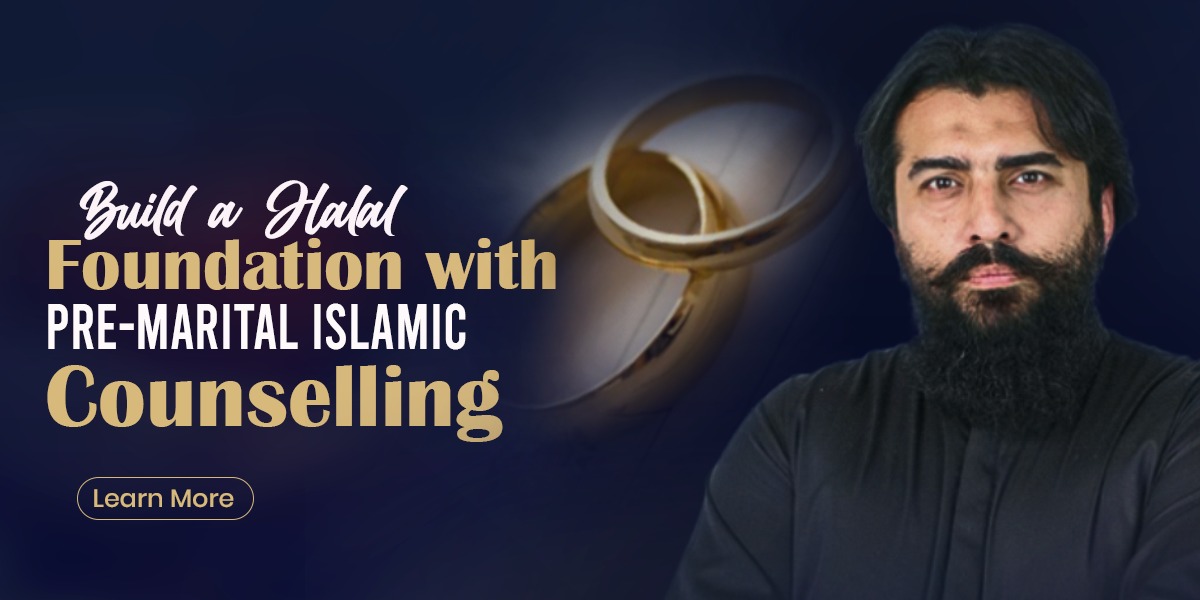
Build a Halal Foundation with Pre-Marital Islamic Counseling

The Foundation of Halal Marital Harmony

“70% of Muslim couples who undergo pre-marital counseling report stronger conflict-resolution skills, fostering lasting sakinah (tranquility).” In light of rising divorce rates even within faith communities,  it is necessary to prepare for Nikah.

Why it matters:

  • Many couples enter marriage without clear expectations, leading to misunderstandings.
  • Faith-based guidance addresses both spiritual alignment and practical life skills.

Thesis:
Islamic pre-marital counseling integrates Quranic principles with modern relational dynamics, equipping couples to:

  1. Define roles and responsibilities
  2. Communicate effectively
  3. Navigate financial and family pressures
  4. Maintain taqwa (God-consciousness) as the relationship’s cornerstone

What you’ll discover:

  • Five essential steps for faith-centered preparation
  • Key resources to guide your journey
  • Expert insights and strategies from certified counselors

What Is Islamic Pre-Marital Counseling?

Islamic pre-marital counseling is a structured program that blends spiritual teachings with evidence-based relationship techniques. Unlike secular approaches, this model places taqwa (piety) and the maqasid al-nikah (objectives of marriage) at its heart.

Islamic Basis

  • Quranic Covenant (Mithaqan Ghalizah):
    “And how could you take it while you have gone into each other and they have taken from you a solemn covenant?” (Qur’an 4:21)
    This verse underscores marriage as a profound, divinely sanctioned bond.
  • Prophetic Encouragement for Knowledge:
    The Prophet Muhammad (peace be upon him) said, “Seek knowledge before marriage” (Ibn Majah). Preparing through counseling honors this guidance by building practical skills grounded in faith.

Core Components

  1. Spiritual Alignment
    Couples explore shared devotional practices like prayer routines, Quran study, and dua journaling to nurture a united spiritual front.
  2. Defined Roles & Responsibilities
    Drawing on Sunnah examples, partners clarify expectations around household duties, finances, and decision-making.
  3. Conflict Resolution
    Techniques such as “Speak and Listen” sessions mirror the Prophet’s patient communication style to reduce the risk of hurtful words.
  4. Ethical Foundations
    Emphasis on ‘adl (justice) and rahma (mercy) ensures fairness and compassion guide every interaction.

This faith-based process stands by weaving Islamic values like taqwa, sabr, and shura into every module. Certified counsellors, like those at Shaykh Atif Ahmad’s Marriage Counselling, tailor sessions to each couple’s background, ensuring culturally respectful and spiritually uplifting guidance.

A Quranic Roadmap to Marital Readiness

Building a Strong Halal Foundation in 5 Faith-Centered Steps

Islamic pre-marital counseling is not just about emotional compatibility, but it’s about aligning your relationship with the principles of the Qur’an and Sunnah. These five steps help couples establish a clear, compassionate, and God-conscious beginning to their Nikah. Let’s explore the first three.

Step 1: Spiritual Alignment Assessment

Islamic marital counseling begins with spiritual compatibility before discussing wedding plans or household logistics. Are you aligned in your aqeedah (creed), ibadah (acts of worship), and long-term purpose?

Topics Explored:

  • Do both partners prioritize daily prayer, fasting, and ongoing Islamic learning?
  • What are your intentions (niyyah) for marriage beyond companionship?
  • How do your visions for a faith-led family life align?

💬 Exercise: Couples reflect together on Surah Ar-Rum (30:21):
“And among His signs is that He created for you from yourselves mates that you may find tranquility in them; and He placed between you affection and mercy.”
Discuss what sakinah (tranquility), mawaddah (love), and rahmah (mercy) mean to each of you.

This step encourages deep, honest conversations. Build a spiritual bond that will endure the highs and lows of marriage with guidance from an experienced Islamic counselor.

Step 2: Clarifying Rights & Responsibilities

According to the Quran and Hadith, Marriage in Islam is a partnership of mutual rights and duties. In this step, couples learn to articulate and agree on expectations around roles in the home, emotional care, and family leadership.

📖 Hadith Foundation:

The Prophet ﷺ said: “Each of you is a shepherd, and each of you is responsible for his flock.”
(Bukhari 5195)

✅ Counseling Topics Include:

  • Household leadership and decision-making (consultation/shura)
  • Family planning and childcare responsibilities
  • Navigating career paths while supporting Islamic home values

This is where Islamic marital counseling frameworks help strike a balance between tradition and modern life. For instance, dual-income households can use this discussion to create schedules that prioritize family and the deen.

Step 3: Financial Transparency Workshop

Money is one of the leading causes of marital stress, and  Islam offers clear guidance on managing wealth with integrity and trust.

Topics Covered:

  • Discussing mahr openly and fairly (Qur’an 4:4: “…And give the women their dowries graciously”)
  • Creating a halal budget based on shared goals
  • Managing debt, zakat obligations, and income sources

This workshop helps couples develop a sustainable, halal financial plan with tools for monthly budgeting and long-term savings. Counselors provide worksheets and guidance tailored to your income level and life stage.

Explore the full Islamic marriage counseling program here for expert-led guidance on these steps. These foundational discussions are essential whether you’re preparing for your first Nikah or seeking clarity in a second marriage.


Step 4: Conflict Resolution Training

Even the strongest bonds face disagreements. Islamic pre-marital counseling equips couples with faith-based tools to navigate conflict with compassion and wisdom.

  • Qawl al-Layyin (Gentle Speech)
    Based on Surah Taha (20:44):


    “…Speak to him with gentle speech, perhaps he may be reminded or fear Allah.”
    Couples practice replacing harsh words with calm, respectful language, guided by timed role-play exercises.
  • Sabr Frameworks
    Patience (sabr) is both a spiritual virtue and a practical tactic. Counselors introduce breathing techniques, pause-and-pray moments, and structured “time-outs” anchored in short du‘ā’ to restore emotional balance before resuming discussions.

Step 5: Family & Cultural Integration

Marriage often brings together two people from distinct backgrounds. Pre-marital counseling helps couples honor both partners’ cultural and familial ties without compromising Islamic values.

  • Mediating Parental Expectations
    Through guided sessions, couples learn to communicate family traditions, financial expectations, and decision-making roles, ensuring respectful dialogue between in-laws and the new couple.
  • Navigating Interethnic Dynamics
    Counselors draw on the Prophet’s example of unity in diversity when partners come from different cultural backgrounds. Workshops cover shared meal rituals, language considerations, and community involvement strategies to reinforce mutual respect.

Key Resources for Couples

Building on these five steps, the right resources can sustain your growth. Here are essential tools to strengthen your Islamic foundation:

Books

  • The Muslim Marriage Guide by Ruqaiyyah Waris Maqsood — A practical manual exploring rights, responsibilities, and spiritual intimacy.
  • Islamic Marriage Workbook by Dr. Ekram & Mohammad Rida Bashir — Interactive exercises and quizzes to apply counseling principles at home.

Online Courses & Articles

  • Fiqh of Marriage — Deep dive into legal and ethical dimensions, available on Shaykh Atif Ahmad’s blog.
  • Additional posts on communication, financial planning, and family integration can be found under the “Marriage Counselling” category.

These Islamic marital counseling frameworks and resources ensure that couples not only prepare for Nikah but also continue to nurture a harmonious, faith-centered home.

5. Why Invest in Faith-Centered Preparation?

1. Prevents Common Pitfalls

Unrealistic expectations and financial misunderstandings top the list of early-marriage conflicts. Pre-marital counseling helps couples clarify budgets, dowry (mahr), and lifestyle priorities before Nikah, reducing disputes later on.

2. Strengthens Tawakkul as a Couple

Developing joint reliance on Allah builds resilience. Through guided exercises such as shared du‘ā’ journals, partners learn to turn to faith when challenges arise, making them more united and confident in their path.

3. Builds Emotional Literacy with Sunnah Tools

Techniques like qawl al-layyin (gentle speech) and daily gratitude reflections, modeled on Prophetic practice, teach couples to express needs constructively.

“85% of couples report improved understanding of marital roles within 12 weeks” of completing faith-based preparation.

6. Balancing Tradition and Faith

Scenario 1: Managing Parental Expectations

In many South Asian or Arab families, elders may expect certain wedding customs or living arrangements. Counselors guide respectful discussions, rooted in shura (mutual consultation), helping couples honor parents while maintaining Islamic principles of fairness.

Scenario 2: Navigating Intercultural & Interfaith Dynamics

When one partner comes from a different cultural or faith background, empathy drawn from the Qur’an bridges gaps:

“And We have made you peoples and tribes that you may know one another.” (Qur’an 49:13)
Counselors help couples craft inclusive rituals and shared values that respect both traditions.

Visit the Shaykh Atif Ahmad blog for more articles on these topics.

7. Your Questions, Answered by Scholars

Q1: Is pre-marital counseling mandatory in Islam?
No. It isn’t a formal requirement like istikhara, but many scholars highly recommend it as a proactive step toward a stable, faith-aligned marriage.

Q2: Can we attend sessions virtually?
Yes, over 90% of couples complete their counseling online, combining flexibility with the same depth of guidance. Learn more at Shaykh Atif Ahmad’s marriage counseling page.

Q3: How long does the program take?
Typical courses run six to eight weeks, with one session per week. Many couples report positive shifts in communication by week four.

Q4: Do sessions include scripture study?
Yes, each module incorporates Quranic reflection, particularly on verses related to marriage, alongside Prophetic examples.

Q5: Can single partners join alone?
Absolutely. Solo sessions help individuals prepare emotionally and spiritually; partners can join later for joint modules.

Conclusion: Build Your Marriage on a Halal Foundation

A successful Nikah requires sincere intention, informed knowledge, and continual divine guidance. By engaging in Islamic pre-marital counseling, you equip yourself and your partner with faith-centered tools to communicate, resolve conflicts, and nurture sakinah for years to come.

Book your free pre-marital consultation today: Islamic Marriage Counselling

Strengthen your marriage in 2025 through Islamic counselling

The Foundation of Marital Harmony in Islam

“An improved communication has been reported in 65 percent of Muslim couples after faith-based counselling.” This striking figure highlights the noticeable impact of integrating spiritual insight into marital support. In Islam, marriage is described as a “sacred contract” (mithaqan ghalizah) in Surah An-Nisa: 21:

“And how could you take it while you have gone into each other and they have taken from you a solemn covenant?” (Qur’an 4:21)

This verse emphasizes the seriousness and sanctity of the marital bond. In 2025, many couples seek a solution rooted in Islamic marital counseling that honors both Sunnah and modern psychology. This article explores the tools, benefits, and resources of Islamic marriage counseling, from core principles to practical courses.

What you’ll learn:

  • How Islamic marriage counselling encourages faith and therapy
  • Key principles like taqwa (God-consciousness) and sabr (patience)
  • Address common issues & the step-by-step counselling process.
  • Islamic marriage counselling courses to deepen your understanding.

What Is Islamic Marriage Counselling?

Islamic marriage counselling is the practice of combining Qur’anic guidance, Prophetic teachings, and professional therapy techniques to support couples. This faith-based model places Islamic values at its core:

  1. Taqwa (God-Consciousness)
    Encourages couples to maintain awareness of Allah’s presence in their relationship decisions.
  2. Sabr (Patience and Perseverance)
    Cultivates resilience during conflicts and reminds spouses that trials can strengthen their bond.
  3. Mutual Accountability
    Draws on the Prophet’s example of mercy and consultation (shura) to foster open communication and mutual respect.

This approach contrasts with conventional therapy by weaving in daily duʿāʾ (supplication), Qur’anic reflection exercises, and Sunnah-based communication models. Practitioners like those at Shaykh Atif Ahmad’s counselling service offer structured programs that honor Islamic etiquette while using evidence-based counselling tools. Couples learn to resolve disputes through empathy, faith-driven values, and professional techniques.

Core Principles of Islamic Marital Counseling

Effective Islamic marital counseling frameworks rest on foundational values drawn from the Qur’an and Sunnah. Three guiding principles shape the path to a stronger, faith-centered marriage:

1. Tawhid: Unity with Allah’s Purpose

At the heart of marriage in Islam is Tawhid—recognizing the oneness of Allah and aligning your relationship with His divine wisdom. Surah Ar-Rum (30:21) reminds us:

“And of His signs is that He created for you mates from among yourselves, that you may dwell in tranquility with them…”

Counselors help couples articulate shared spiritual goals by practicing worship together, supporting each other’s faith, and raising righteous children. This focus on divine purpose transforms everyday routines into acts of worship.

2. Shura: Mutual Consultation

The practice of Shura, or consultative decision-making, guides healthy dialogue. Drawing on the Prophet Muhammad’s example, counselors introduce tools such as:

  • “Speak and Listen” Exercises: Each spouse takes two minutes to share concerns while the other listens without interruption.
  • Weekly Check-In Rituals: A structured 15-minute session to review family life, plan financial decisions, and address challenges.

These Sunnah-based methods foster respect and ensure both partners feel heard, reducing resentment and misunderstandings.

3. Rahma: Mercy in Action

Rahma, or mercy, softens the hardest conflicts. In one case study, a couple struggling with trust issues applied a “zakat-style honesty” exercise:

  • They committed to a daily transparency journal, sharing one worry and one blessing each night.
  • Over four weeks, this simple ritual rebuilt trust, as both partners witnessed consistent honesty and compassion.

Spouses learn to forgive and support one another, echoing the Prophet’s merciful conduct by embedding mercy into daily interactions.

Benefits of Islamic Marriage Counselling

Choosing Islamic marriage counselling brings unique advantages to address both spiritual and practical dimensions of marital life:

Culturally Appropriate Strategies

Counselors understand the nuances of diaspora and interfaith families, offering guidance that respects Islamic values while navigating Western cultural contexts. This tailored support helps couples honor both their heritage and modern demands without conflict.

Practical Faith-Based Tools

Counseling programs often include:

  • Dua Journals: Daily prompts to record prayers for each other to foster spiritual connection.
  • Prophetic Communication Models: Role-plays based on Hadith teachings, such as using a gentle tone and kind words as advised in Sahih Bukhari.

These resources give couples actionable strategies to maintain harmony long after sessions end.

Online Accessibility for Global Muslims

Couples worldwide can benefit from expert guidance with many services available via video conferencing. This flexibility plays a vital role for busy professionals, families in remote areas, or those with mobility challenges.

“80% of couples report renewed mawaddah (affection) within 12 weeks” of beginning faith-based counseling programs, underscoring its transformative impact.

Visit Shaykh Atif Ahmad’s comprehensive marriage counseling services for more information on structured Islamic marital counseling frameworks.

How Islamic Marriage Counselling Works

Islamic marriage counselling follows a structured, faith-centered methodology designed to guide couples from assessment through lasting growth. An infographic illustrating these steps can help visualise the journey.

Step 1: Assessment

  • Couples complete a faith-compatibility quiz to evaluate spiritual practices, communication styles, and shared goals.
  • The counsellor reviews responses alongside intake interviews to identify strengths and areas for growth.

Step 2: Action Plan

  • Guided Quranic reflection on Surah Ar-Rum (30:21) helps spouses reconnect with the verse’s message of tranquillity and mutual support.
  • Sunnah-based exercises such as daily gratitude sharing and “Speak and Listen” sessions are assigned to build empathy and effective dialogue.

Step 3: Maintenance

  • For ongoing encouragement and accountability, participants can join a private Ummah support group.
  • Access to blog resources including articles on faith-driven conflict resolution and seasonal dua prompts to reinforces progress. (See more at Shaykh Atif Ahmad’s blog.)

Common Issues Addressed

  1. Communication Gaps
    Many couples struggle to express their needs calmly. Counsellors teach Qawl al-Layyin (gentle speech) techniques drawn from Prophetic examples to replace harsh words with compassionate dialogue.
  2. Intimacy and Rights (Hurma)
    Misunderstandings around spousal rights can erode closeness. Educational sessions on hurma (the sanctity of marital intimacy) clarify mutual expectations and foster a healthy, respectful relationship.
  3. Parenting Challenges
    Raising children in a faith-focused home requires balance. Counselling incorporates tarbiyah frameworks from Islamic tradition, such as empathy-driven correction and role modeling, to guide parents in nurturing their children’s character.

Visit Shaykh Atif Ahmad’s case studies page for detailed case studies on these interventions in action.

Islamic Marriage Counselling Courses

Couples looking to deepen their relationship can enroll in a structured Islamic marriage counselling course that combines scholarly insight with practical skills.

  • Duration: Six weeks of guided learning, one module per week
  • Curriculum Highlights:
    • Fiqh of marriage and family rights
    • Emotional literacy rooted in Prophetic examples
    • Conflict management using Qur’anic reflection exercises
  • Features:
    • Live Q&A sessions with qualified counsellors
    • Downloadable Sunnah-based worksheets and dua prompts
    • Peer-support forum for sharing experiences

These course benefits include strengthened communication patterns and a shared spiritual framework for resolving differences.
👉 Enroll in the Islamic Marriage Counselling Course

8. FAQs

What is Islamic marriage counselling?

Islamic marriage counselling blends Qur’anic guidance, Sunnah practices, and professional therapy techniques to help couples improve communication, resolve conflicts, and deepen their spiritual bond.

How does an Islamic marriage counselling course work?

Typically a six-week program, the course delivers weekly modules on marriage fiqh, emotional literacy, and conflict management, supplemented by live Q&A sessions and downloadable Sunnah-based exercises.

Is seeking marriage counselling permissible in Islam?

Yes, consulting for personal matters is supported by Hadith (Sahih Bukhari 2693). Faith-based counselling aligns with Prophetic traditions of advice and mutual support.

Can I attend sessions online?

Absolutely. Over 90% of spouses participate via secure video calls, making faith-centered counselling accessible to couples worldwide without travel.

How soon can we expect to see improvement?

Most couples report better communication and renewed affection (mawaddah) within eight to twelve weeks of consistent participation in the programme.

What issues can Islamic marriage counselling address?

Common challenges include communication gaps, intimacy questions (hurma), financial disagreements, and parenting struggles, all tackled through faith-rooted tools and professional techniques.

Are these counselling methods culturally appropriate for non-Arab Muslims?

Yes. Counselors adapt practices—like dua-journals and gentle speech (qawl al-layyin)—to respect diverse cultural backgrounds while upholding core Islamic values.

Do I need any materials before starting the course?

You’ll receive all necessary PDFs, dua prompts, and reflection worksheets upon enrollment. A notebook for journaling and a copy of the Qur’an are recommended.

What qualifications do counsellors hold?

Faith-based counsellors typically possess ijāzah in Qur’anic and Hadith sciences, plus professional accreditation in marriage and family therapy.

Can one spouse attend alone?

Yes. Many solo participants engage in personal coaching sessions before inviting their partner to joint counselling.

Is counselling covered by health insurance?

Standard health plans usually don’t cover faith-based programmes. However, some employers offer mental health stipends that may apply—check your benefits guide.

How do I sign up for the Islamic marriage counselling course?

Visit Shaykh Atif Ahmad’s Marriage Counselling page to review course details and complete the online registration form.

Are refunds or trial sessions available?

Many providers offer a complimentary introductory session and a limited refund window if the programme isn’t the right fit. Confirm details before enrolling.

What ongoing support is provided after the course?

Graduates join a private Ummah support group and gain lifetime access to blog resources and refresher webinars on advanced topics.

👉 Learn more about the course details

Conclusion: Reignite Your Marital Spark

Islamic marriage counselling merges timeless wisdom from the Qur’an and Sunnah with modern therapeutic tools, offering couples a balanced approach to strengthen their bond. By focusing on shared faith, compassionate communication, and practical exercises, you can renew your relationship and build lifelong harmony.

Ready to take the next step? Book a free consultation today and begin your journey toward a more loving, resilient marriage.

×

Book Your Session

Fill in your details below and our team will contact you shortly on WhatsApp.