Contact Us

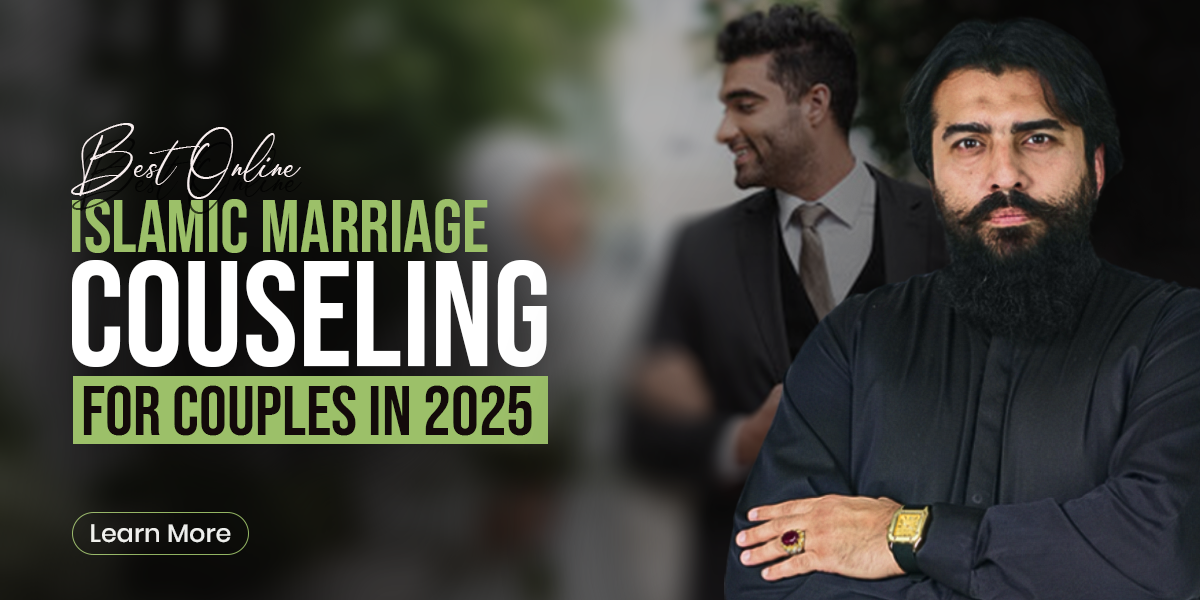
Best online Islamic Marriage counselling for couples in 2025

Best-online-Islamic-Marriage-counselling-for-couples-in-2025

Marriage in Islam is not just a legal contract but a sacred bond built on love, mercy, and mutual respect. In today’s fast-paced world, couples often face communication breakdowns, financial stress, and differing expectations. Seeking guidance through Islamic marriage counselling can provide couples with tools rooted in faith to navigate these challenges effectively.

Recent studies indicate that over 80% of couples who engaged in marriage counselling reported improved communication and a deeper understanding of their partner’s needs. This underscores the importance of seeking help when needed.

Islamic Marriage Counseling

Islamic marriage counselling integrates traditional therapeutic techniques with Islamic teachings to address marital issues. It emphasizes:

  • Faith-Centered Guidance: Drawing from the Qur’an and Hadith to provide solutions that align with Islamic values.
  • Holistic Approach: Addressing the relationship’s emotional, psychological, and spiritual aspects.
  • Confidentiality and Respect: Ensuring a safe space where couples can discuss sensitive issues without judgment.

This approach ensures that solutions are not only practical but also spiritually fulfilling.

How It Differs from Conventional Counselling

While conventional counselling focuses primarily on psychological aspects, Islamic marriage counselling incorporates:

  • Spiritual Insights: Using Islamic teachings to guide couples in resolving conflicts.
  • Cultural Sensitivity: Understanding and respecting cultural norms and values within the Muslim community.
  • Ethical Practices: Adhering to Islamic principles in all counselling sessions.

This unique blend ensures that couples receive comprehensive support that respects their faith and cultural background.

Benefits of Starting Counselling Early

Engaging in marriage counselling early can:

  • Prevent Escalation of Issues: Addressing minor problems before they become major conflicts.
  • Strengthen the Relationship: Building a deeper emotional and spiritual connection.
  • Enhance Communication: Learning effective communication techniques to express needs and resolve disagreements.

Couples seeking guidance early often find their relationship more resilient and fulfilling.

Benefits of Online Islamic Marriage Counselling

In 2025, online Islamic marriage counselling has become a vital resource for Muslim couples seeking to strengthen their relationships. The integration of faith-based guidance with modern therapeutic techniques offers several advantages:

  • Accessibility and Convenience: Couples can access counselling services from the comfort of their homes, eliminating geographical and time constraints.
  • Confidentiality and Comfort: Online platforms provide a private space for couples to discuss sensitive issues without needing in-person meetings.
  • Faith-Aligned Guidance: Counsellors incorporate Islamic teachings into their work, ensuring that their advice aligns with the couple’s religious values.
  • Diverse Expertise: Online platforms often have a network of counsellors with various specializations, allowing couples to find a professional who best fits their needs.

For instance, platforms like Shaykh Atif Ahmed’s Marriage Counselling offer personalized sessions that blend spiritual insights with practical solutions, catering to the unique challenges faced by Muslim couples.

How to Choose the Right Islamic Marriage Counsellor

Selecting a qualified Islamic marriage counsellor is crucial for adequate support. Consider the following factors:

  • Islamic Credentials: Ensure the counsellor understands Islamic principles and can integrate them into the counselling process.
  • Professional Qualifications: Look for certifications in psychology or counselling and marriage therapy experience.
  • Cultural Sensitivity: The counsellor should know cultural nuances and dynamics that may impact the relationship.
  • Approachability and Compatibility: It’s essential to feel comfortable with the counsellor.
  • Reviews and Testimonials: Check feedback from previous clients to gauge the effectiveness of the counsellor’s services.

Platforms like Shaykh Atif Ahmed’s Marriage Counselling provide detailed information about their services, allowing couples to make informed decisions.

Top Online Islamic Marriage Counselling Platforms in 2025

Several platforms have emerged as leaders in providing online Islamic marriage counselling:

  1. Shaykh Atif Ahmed’s Marriage Counselling: Offers personalized sessions that integrate Islamic teachings with modern therapeutic techniques.
  2. Shifa Therapy: Connects clients with licensed Muslim therapists who understand the importance of clinical care and Islamic values. 
  3. Ruh Care: They provide online therapy focusing on emotional and spiritual recovery, collaborating with specialists trained to integrate Islamic views into evidence-based mental health care.
  4. Ihsan Coaching: I specialize in marital coaching services that help Muslim couples clarify their Islamic rights and obligations, improve communication, and resolve significant relationship barriers.
  5. Muslima Coaching: Offers modern Islamic marriage counseling, therapy, and life coaching for Muslim women and couples, combining the best of both worlds.

Each platform offers unique services tailored to the needs of Muslim couples, ensuring that both emotional and spiritual aspects are addressed.

What to Expect from an Online Islamic Marriage Counselling Session

Online Islamic marriage counselling provides couples with a structured approach to addressing relationship challenges while respecting Islamic principles. Understanding what to expect from each session can help couples feel prepared and maximize their counselling experience.

Session Structure

A typical online session usually lasts 45 to 60 minutes, depending on the counsellor and the complexity of the issues. Sessions may include:

  • Initial assessment: Counsellors evaluate the couple’s relationship dynamics, challenges, and goals.
  • Discussion of current issues: Partners are guided to express concerns openly while maintaining respect and empathy.
  • Action plan: Counsellors provide tailored strategies and exercises to address specific challenges.

Online platforms often offer flexible scheduling, especially for working couples or those living in different time zones. For example, Shaykh Atif Ahmed’s Marriage Counselling allows couples to book sessions at convenient times while maintaining confidentiality.

Practical Exercises and Homework

Many online counsellors assign practical exercises to help couples implement strategies discussed during sessions. These may include:

  • Communication exercises: Learning to express feelings without judgment or anger.
  • Reflection tasks: Encouraging self-awareness and understanding of the partner’s perspective.
  • Conflict-resolution techniques: Step-by-step methods to handle disagreements constructively.

Completing these exercises between sessions helps couples reinforce and apply the skills learned to real-life situations.

Follow-Up and Progress Monitoring

Effective counselling doesn’t end after a single session. Follow-ups are crucial for ensuring the couple is making progress. Counsellors may:

  • Track improvements in communication and problem-solving skills.
  • Adjust strategies based on feedback and evolving challenges.
  • Offer additional support or resources if specific issues persist.

Online platforms, such as Shaykh Atif Ahmed’s counselling portal, often include tools to monitor progress digitally. These allow couples to review past sessions and track improvements over time.

Tips for Maximizing the Benefits of Online Counselling

  1. Be Open and Honest: Share concerns without fear of judgment. Transparency helps the counsellor provide the most effective guidance.
  2. Commit to Homework: Practicing assigned exercises between sessions is key to long-term improvement.
  3. Maintain Consistency: Regular sessions help couples address issues progressively and prevent recurring conflicts.
  4. Choose the Right Counsellor: Ensure the counsellor has the right Islamic and professional qualifications to address spiritual and emotional needs.
  5. Integrate Faith Practices: Incorporate prayer, patience, and Islamic values to strengthen the emotional bond alongside counselling guidance.

Common Concerns Addressed

  • Time Constraints: Online counselling allows flexible scheduling to accommodate busy routines.
  • Privacy Issues: Platforms ensure sessions are secure and confidential.
  • Effectiveness Doubts: Research shows online counselling improves communication, conflict resolution, and relationship satisfaction.
  • Cultural Sensitivity: Counsellors understand cultural norms and provide guidance that aligns with Islamic and regional values.

Conclusion

By choosing a qualified counsellor, committing to sessions, and practicing recommended exercises, couples can address conflicts, enhance communication, and deepen emotional and spiritual connections.

Engaging in counselling early helps prevent minor issues from escalating and builds a stronger, more resilient marital bond. Couples seeking professional guidance can explore trusted platforms like Shaykh Atif Ahmed’s Marriage Counselling to begin their journey toward a healthier, harmonious relationship.

FAQs About Online Islamic Marriage Counselling

Can online Islamic marriage counselling really help couples?

Yes. Counselling provides structured guidance to manage conflicts, improve communication, and strengthen emotional and spiritual bonds while adhering to Islamic principles. Couples who consistently follow guidance often notice improved harmony in their relationships.

Is online counselling as effective as in-person sessions?

Studies show that online counselling is highly effective, offering convenience and accessibility without compromising results. Over 80% of couples who used online platforms reported significant improvements in communication and conflict resolution (APA, 2023).

How do I choose the right counsellor?

Look for a counsellor with proper Islamic knowledge, professional certification, and experience with marital issues. Platforms like Shaykh Atif Ahmed’s counselling guide can help couples select the most suitable expert.

Are the sessions confidential?

Yes. Reputable online platforms ensure complete confidentiality. Couples can discuss sensitive issues in a private, judgment-free environment.

How many sessions do couples usually need?

The number varies based on individual challenges. Some couples may improve after a few sessions, while others benefit from longer-term counselling with regular follow-ups.

Can newlyweds benefit from counselling?

Absolutely. Early guidance helps newlyweds build strong communication skills, set expectations, and prevent future conflicts.

Is it necessary for both partners to participate?

While one partner can start, joint participation is recommended to achieve the best outcomes. Counselling works best when both individuals are committed to growth and understanding.

Does Islamic counselling focus only on conflicts?

No. It also emphasizes building emotional intimacy, spiritual connection, and mutual respect, helping couples strengthen their relationship proactively.

Can online counselling be integrated with other support methods?

Yes. Counselling can be enhanced by combining it with religious advice, community support, and personal reflection.

Is online counselling suitable for all cultural backgrounds?

Yes. Islamic marriage counselling respects cultural norms while focusing on universal marital principles rooted in faith, making it relevant across diverse Muslim communities.
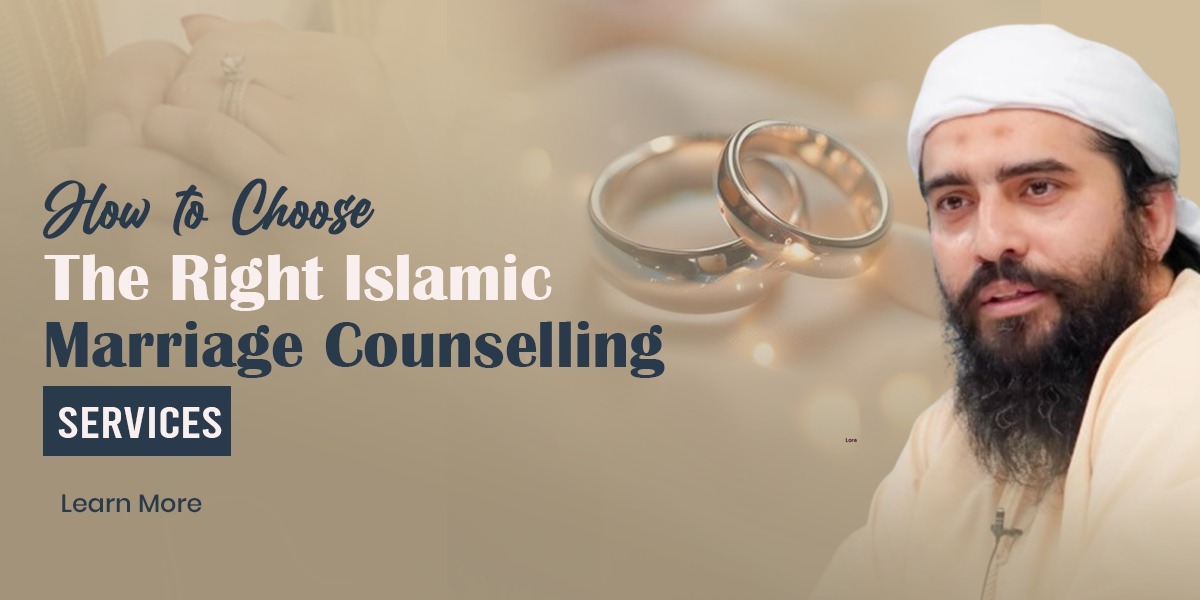
How to Choose the Right Islamic Marriage Counselling

Marriage in Islam is More Than a Contract 

In Islam, marriage is a sacred covenant, not just a civil agreement. It is a profoundly spiritual union rooted in mutual love, mercy, and accountability before Allah. The Qur’an beautifully describes this relationship:

“And among His signs is this: that He created for you spouses from among yourselves so that you may find tranquility in them, and He has placed between you affection and mercy.”
(Surah Ar-Rum 30:21)

This verse highlights that tranquility, affection, and compassion are essential elements of a healthy Islamic marriage. When challenges arise, seeking guidance is not a sign of weakness but an act of wisdom, especially when that support is grounded in both Islamic values and psychological insight.

What Makes Islamic Marriage Counselling Different from Regular Therapy?

Islamic marriage counselling is a holistic approach that integrates Qur’anic teachings, Prophetic wisdom, and contemporary therapeutic practices. It is tailored to address the emotional and spiritual needs of Muslim couples in a way that honors their faith.

Here are the core aspects that make it unique:

  • Faith-Centered Guidance: Qur’anic verses and Hadith are used to help couples realign their relationship with divine principles. It includes reflections on mutual rights, the ethics of disagreement, and the role of mercy and forgiveness in marital life.
  • Shariah-Compliant Structure: Counsellors who specialize in Islamic relationship counselling respect Islamic boundaries such as modesty, confidentiality, and gender interaction. Female clients may request a female therapist, and some providers offer couples sessions with both male and female professionals.
  • Dual Focus on Emotional and Spiritual Wellness: A qualified Islamic counsellor provides tools to strengthen emotional connection while also nurturing spiritual growth. This includes strategies such as praying together as a couple, setting shared goals rooted in Islamic purpose, and resolving issues with patience and empathy.

This form of counselling is not simply about resolving conflict. It is about rediscovering the more profound spiritual connection between spouses.

Why Counselling is Not a Last Resort 

Too often, couples wait until the marriage is on the brink before seeking help. In Islam, however, consulting others for advice and support is encouraged, not discouraged. Even the Prophet Muhammad ﷺ emphasized the importance of consultation (shura) and seeking wise counsel in matters of significance.

“The most perfect of believers in faith are those best in character, and the best of you are those who are best to their wives.”
(Tirmidhi)

A qualified Islamic counsellor can help spouses:

  • Rebuild trust and affection
  • Improve communication skills
  • Navigate cultural or family pressure
  • Set spiritual and life goals together
  • Address sensitive topics like intimacy or finances with discretion and faith

Real Experience: A Couple Finds Light After Years of Darkness

Consider the experience of Amal and Yusuf, who had been married for over a decade. Miscommunication and emotional distance had created a growing rift. Amal felt unseen, while Yusuf felt unappreciated. After trying to manage things privately for years, they finally reached out to a faith-based relationship counsellor.

Through Qur’an-centered sessions, they learned to listen without judgment, express needs with compassion, and rekindle their love through spiritual connection. Within three months, their home became a place of peace once again.

This is the kind of transformation that Islamic marriage counselling makes possible.

Why This Matters for Your Journey

Choosing to seek Islamic marriage support is a brave and hopeful decision. It shows your commitment to building not just a peaceful home, but a marriage that is pleasing to Allah and emotionally fulfilling.

If your relationship is feeling strained, disconnected, or unclear, know that healing is possible. And with the right counsellor, it can begin in a way that feels safe, respectful, and guided by divine wisdom.

What to Look for in a Counsellor 

Finding the right Islamic marriage counsellor is not just about credentials on paper. It’s about trusting someone with your heart, your faith, and your future. Below is a step-by-step guide to what you should look for spiritually, professionally, and emotionally when choosing your ideal support partner.

Islamic Credentials: A Foundation of Faith and Knowledge

Your counsellor should not only understand Islamic principles but also be able to apply them meaningfully within a counselling context. Look for:

  • Formal Islamic Education: Degrees or certifications from respected Islamic institutions, such as Al-Azhar, International Islamic University Malaysia (IIUM), or recognized UK bodies like Markfield Institute of Higher Education.
  • Ijāzah or Specialized Study: Particularly in Qur’an, Hadith, and Fiqh related to family life. They should be able to contextualize issues such as mawaddah (affection), rahmah (mercy), nushuz (conflict), and reconciliation within the context of marriage.
  • Real Application: A counsellor who can explain what the Prophet ﷺ said about handling disagreements, or how verses like Surah An-Nisa or Surah Al-Baqarah apply to your situation, shows spiritual depth and practical relevance.

Tip: Don’t hesitate to ask how they integrate Islam into the therapeutic process; it’s your right to know.

Counselling Experience: Real-World Wisdom Across Cultures

Experience counts especially with the diversity within the Muslim ummah. Look for:

  • Hands-On Experience with Muslim Couples: Ask how many couples they’ve worked with and whether they’ve handled intercultural, intergenerational, or faith-based conflicts.
  • Comfort with All Stages of Marriage: Whether you’re newlywed or 20 years in, they should understand the unique challenges of both premarital and postmarital dynamics.
  • Experience Navigating Islamic Issues: From questions about intimacy, parenting, and polygamy to dealing with in-laws or financial pressure, Islamic insight matters.

Ethical Practices: Trust, Boundaries, and Halal Integrity

Marriage counselling involves deep vulnerability. Trust starts with ethical professionalism.

  • Clear Confidentiality Policies: Ensure sessions are private, thoroughly documented, and stored securely. There should be clear boundaries on disclosure and no conflict of interest.
  • Halal Payment Structures: Transparent pricing, no hidden fees, and ethically sound options like Zakat-compliant services or Islamic instalment plans.
  • Gender Sensitivity: For some couples, male–female pair counselling works best. Others prefer a single-gender therapist. The right provider will accommodate your values without judgment.

Personal Compatibility: The Human Side of Healing

Beyond credentials, you need someone you feel safe with, someone who sees your pain, honors your faith, and listens without ego.

  • Empathy and Warmth: Do they validate your emotions without minimizing your faith? Are they respectful and gentle, even in tough discussions?
  • Cultural Intelligence: Do they understand your ethnic or linguistic background? Can they navigate topics like extended family pressure or community reputation with care?
  • Free Discovery Call: Many top-tier counsellors now offer a free 15-minute call. This is your chance to ask questions, sense their vibe, and feel out the chemistry.

Remember: Counselling is a partnership. If the energy doesn’t feel right, trust your instinct and explore other options.

What to Ask & What to Avoid 

Choosing the right Islamic marriage counsellor is a profoundly personal step. A discovery call is your opportunity to ask honest questions, gauge the tone of the sessions, and assess whether the approach aligns with your faith and needs.

This section is divided into two parts: what to ask during your initial interaction, and warning signs that indicate a poor fit.

A. Questions to Ask Before You Commit

Before booking your first session, consider asking these essential questions to ensure a smooth experience. They’ll help you understand the counsellor’s approach and ensure they’re the right fit for your relationship and values.

  • What Islamic and counselling qualifications do you hold?
    Look for specifics. Do they hold an ijāzah or formal study in Islamic sciences? Are they licensed or certified by recognized mental health organizations?
  • What is your method? How do you balance religious advice with therapy?
    A strong counselor will be able to explain how they integrate Qur’anic principles, Prophetic wisdom, and evidence-based therapy in a respectful and tailored way.
  • How do you protect client privacy (online and in-person)?
    They should explain how your session details, documents, and communications are kept confidential and securely stored.
  • Have you helped couples with similar situations?
    Whether it’s miscommunication, in-law stress, intimacy struggles, or interfaith issues, ask if they have relevant experience with cases like yours.
  • What are your fees, session structure, and do you offer packages?
    Get clarity on pricing, duration of each session (typically 50–60 minutes), and whether they offer bundles or discounts for ongoing support.

Tip: If you feel comfortable, also ask whether they offer female or male counselor options or couple sessions with dual facilitation.

B. Red Flags to Avoid: When to Walk Away

Not every service claiming to offer “Islamic counselling” meets professional or ethical standards. Keep an eye out for these red flags:

  • Unverified or vague credentials
    If they avoid sharing their qualifications or don’t list them publicly, that’s a warning sign. Transparency fosters trust, whereas vagueness erodes it.
  • Pushy sales tactics
    You should never feel pressured to sign up for an expensive package right away. A genuine counsellor will focus on your needs, not on making a sale.
  • No clear privacy or refund policy
    If their site or consultation call skips over confidentiality or cancellation terms, be cautious. These are standard practices for any reputable service.
  • Sessions that feel judgmental, preachy, or overly generic
    Counselling is not a khutbah. If the tone feels like a lecture or lacks understanding of your unique experience, it may not be the right fit.

“And consult them in matters. Then, when you have made a decision, put your trust in Allah.”
  Surah Aal Imran (3:159)

Trusted Islamic Marriage Counselling Services

Finding a counsellor who respects both your faith and your emotional needs is essential. Below are five respected Islamic marriage counselling providers. Each brings a unique blend of spiritual insight and professional care. We recommend exploring a few and scheduling a discovery call to find your best fit.

Shaykh Atif Ahmad – Deeply Rooted, Spiritually Grounded

Shaykh Atif Ahmad’s Marriage Counseling Services

Shaykh Atif Ahmad is one of the most trusted names in Islamic counselling today. With ijāzah in Hadith and years of experience working with Muslim couples globally, his approach is steeped in Qur’anic wisdom and practical guidance.

  • Offers personalized Qur’anic reflection exercises and actionable steps.
  • Conducts sessions online for flexible global access.
  • Compassionate, spiritually aligned, and non-judgmental support.

For those seeking depth and sincere spiritual restoration, Shaykh Atif’s work stands above.

Ihsan Coaching

Explore Ihsan Coaching’s Marital Coaching

Ihsan Coaching offers a unique blend of positive psychology and Islamic principles. Ideal for both premarital and post-marital support.

  • Practical assessments and guided activities.
  • Group coaching options and premarital packages.
  • Focused on emotional resilience and mutual growth.

Rahmaa Counselling

View Rahmaa’s Islamic Marriage Counseling

Rahmaa specializes in faith-based family systems therapy, led by trained chaplains familiar with real-life challenges.

  • Incorporates spiritual care and counselling techniques.
  • Offers app-based tools for follow-up support.
  • Tailored for couples navigating long-term family and emotional dynamics.

South Bay NY

Visit South Bay’s Marriage Counselling Page

This center pairs professional therapists with Islamic consultants to ensure that both your emotional and spiritual needs are addressed.

  • Balanced team approach.
  • Ideal for culturally diverse couples and those with complex challenges.
  • Strong record of results in long-term marital health.

Khalil Center

Check Khalil Center’s Premarital & Marriage Services

Khalil Center is known for its pioneering work in Islamic psychology. Their programs combine clinical expertise with Islamic ethics.

  • Mindfulness-based programs rooted in Sunnah.
  • Sessions are co-led by licensed clinicians and faith leaders.
  • Structured, evidence-based models for communication and healing.

Choose the Right Islamic Marriage Counsellor

Choosing the proper support is an act of faith and wisdom. This quick guide will help you navigate your search with clarity and confidence.

1. Renew Your Intention

Start with a sincere niyyah; seeking help is not a sign of weakness, but rather a way to preserve the sacred trust of the nikah.

“And He placed between you love and mercy…” (Qur’an 30:21)

2. Define Your Needs

Are you:

  • Preparing for marriage?
  • Struggling with conflict?
  • Looking to strengthen spiritual connection?

Know what you’re looking for to choose the proper support.

3. Explore Reputable Counsellors

Shortlist trusted, faith-based providers like:

Look for a blend of Islamic knowledge and professional therapy.

4. Ask the Right Questions

Book a free call and ask:

  • What are your Islamic and therapy credentials?
  • How do you balance faith with counselling?
  • What’s your session structure, cost, and privacy policy?

5. Begin, Reflect, and Make Dua

Try 1–2 sessions. Reflect. Make duʿāʾ for barakah and growth.

“Our Lord, grant us from among our spouses comfort to our eyes…” (Qur’an 25:74)

Frequently Asked Questions (FAQ) – Islamic Marriage Counselling

1. What is Islamic marriage counselling?

Islamic marriage counselling blends the wisdom of Qur’anic teachings and Prophetic guidance with modern therapeutic approaches. It aims to support couples in resolving conflicts, improving communication, and strengthening the spiritual bond in marriage. This approach ensures that the counselling aligns with Islamic values, ensuring modesty, privacy, and ethical boundaries.

2. Why should I choose Islamic marriage counselling over regular therapy?

Islamic marriage counselling provides a unique approach by combining spiritual guidance with professional therapy. The emphasis on the Qur’an and Hadith ensures that your marital challenges are addressed in a manner that is respectful of your faith. It focuses not only on emotional well-being but also on strengthening the couple’s spiritual connection and adherence to Islamic principles.

3. Can online Islamic marriage counselling work?

Yes, online counselling can be just as effective as in-person sessions, especially if the counsellor is experienced in working remotely. Many providers, such as Shaykh Atif Ahmad and Ihsan Coaching, offer global online sessions tailored to your schedule and needs, ensuring convenience without compromising the quality of the guidance.

4. How do I know if the counsellor is right for me?

When choosing a counsellor, look for qualifications such as Islamic degrees (ijāzah, as mentioned in the Qur’an or Hadith) and certifications in marriage counselling. Ensure they have experience with Muslim couples and are familiar with both premarital and postmarital needs. Book a free discovery call to gauge compatibility and see if you feel comfortable with their approach.

5. Are there any red flags I should be aware of?

Be cautious if the counsellor:

  • Has unverified or vague credentials.
  • Pressures you into large packages upfront.
  • Lacks clear privacy and refund policies.
  • Exhibits a judgmental or preachy tone rather than a compassionate, solution-oriented approach.

6. How much do Islamic marriage counselling services cost?

The cost of Islamic marriage counselling can vary. Some providers, such as Shaykh Atif Ahmad, offer flexible payment options tailored to your needs. It’s essential to confirm the fees and session structure during your initial consultation. Additionally, many providers offer discounts or packages for couples seeking ongoing support.

7. What can I expect from an Islamic marriage counselling session?

In a typical session, you can expect:

  • Active listening and confidentiality.
  • Practical advice rooted in Islamic teachings.
  • Therapeutic tools for improving communication and resolving conflicts.
  • Personalized strategies to enhance emotional intimacy and spiritual connection.

8. Can marriage counselling help if we’re not in a crisis?

Absolutely! Marriage counselling isn’t just for resolving crises. It can be incredibly beneficial for couples seeking to strengthen their bond, enhance communication, or navigate life’s transitions. Preventative care in marriage can promote a deeper connection and a stronger foundation for the future.

9. Is it permissible in Islam to seek marriage counselling?

Yes, seeking marriage counselling is not only permissible but encouraged in Islam, as it aligns with the Prophetic guidance to seek solutions when faced with difficulties. The aim is to preserve the sacred covenant of marriage and fulfill the duties towards your spouse in the best way possible.

10. How do I prepare for my first session?

Before your first session, it’s helpful to:

  • Reflect on the strengths and challenges of your relationship.
  • Set specific goals you’d like to achieve, whether it’s improving communication, resolving conflict, or deepening intimacy.
  • Be open to learning and growing together with your spouse in this sacred journey.

11. How do I book a session with an Islamic marriage counsellor?

Booking a session is typically done via the provider’s website, where you can view available services, fees, and schedule an appointment. Some providers, like Shaykh Atif Ahmad, also offer flexible online consultations, making it easier for couples worldwide to access support.

Islamic Marriage Counselling: Faith-Based Help for Couples

Marriage is one of the most significant commitments in a Muslim’s life, a sacred contract that holds spiritual, emotional, and social weight. Yet, like any partnership, it comes with challenges. From communication breakdowns and unmet expectations to cultural pressures and emotional distance, couples often struggle. In such times, Islamic marriage counselling offers a compassionate, faith-based path to healing, understanding, and growth.

In this article, we’ll explore what Islamic marriage counselling truly is, how it differs from conventional therapy, and why more couples around the world are turning to it for guidance and support.

What Is Islamic Marriage Counselling?

Islamic marriage counselling is a form of marital guidance that blends traditional counselling techniques with teachings from the Qur’an and Sunnah. It honours the unique spiritual and emotional dimensions of the marriage bond in Islam, offering solutions that align with divine principles rather than secular ideals.

Unlike conventional marriage therapy, which often adopts a one-size-fits-all model, Islamic counselling respects modesty, gender boundaries, and Islamic ethics. It acknowledges that a successful marriage isn’t just about emotional compatibility; it’s about fulfilling divine responsibilities, mutual respect, and spiritual companionship.

Why Muslim Couples Are Seeking Faith-Based Counselling

In today’s fast-paced, often chaotic world, Muslim couples face an array of pressures: the clash of cultural expectations, the challenges of balancing deen and dunya, and the influence of modern ideologies on family roles. Even deeply committed partners can drift apart without realising it.

Many couples seek counselling when:

  • Communication has broken down
  • Trust has been shaken.
  • The emotional or spiritual connection is fading.
  • Intimacy and affection feel distant.
  • External pressures, such as in-laws, career stress, or social expectations, can be overwhelming.

In such situations, couples often find that mainstream therapy lacks the cultural or spiritual sensitivity they need. This is where Islamic marriage counselling becomes a robust and respectful alternative that not only addresses conflict but reconnects the couple with the barakah of their relationship.

Core Services Offered Through Islamic Marriage Counselling

Though different counsellors may bring their styles, many services within Islamic marriage counselling are structured around key relationship milestones:

1. Marriage Counselling for Couples

These sessions provide a confidential space for spouses to openly share their concerns and work through issues such as:

  • Trust and transparency
  • Conflict management
  • Emotional or physical intimacy
  • Parenting differences
  • Decision-making in the home

The goal isn’t just to “fix problems,” but to help couples rediscover love, mercy (rahmah), and mutual understanding, all deeply emphasised in the Sunnah.

2. Pre-Marriage Counselling

For engaged or newly married couples, pre-marriage counselling is invaluable. These sessions help explore:

  • Roles and responsibilities in marriage
  • Shared goals and lifestyle expectations
  • Islamic views on love, leadership, and cooperation
  • Managing extended family dynamics
  • How to grow together spiritually and emotionally

By preparing couples before they step into marriage, Islamic premarital counselling lays the foundation for a successful, blessed union.

3. Individual Counselling

Not every spouse is ready to attend as a couple. Sometimes, one partner needs a safe space to reflect, express, and grow. Individual sessions can help a husband or wife:

  • Process hurt and disappointment
  • Understand their role in relationship challenges.
  • Develop healthier emotional habits and spiritual insight.
  • Decide how to move forward with clarity.

Benefits of Choosing a Faith-Based Approach

There are many benefits to working with a counsellor who understands the Islamic worldview. Here are a few that Muslim couples consistently report:

✅ Improved Communication

Sessions teach respectful dialogue, active listening, and the prophetic approach to resolving disputes, helping couples communicate with compassion rather than criticism.

✅ Spiritual Reconnection

When marriages drift apart, it’s often due to spiritual neglect. Islamic counselling brings worship and faith back to the heart of the relationship.

✅ Conflict Resolution Through Sunnah

Disagreements are natural, but how we respond defines the relationship. Faith-based methods guide couples in addressing issues with calmness, mutual respect, and emotional intelligence.

✅ Clear Understanding of Roles

Islam provides balance and structure in marriage. Counseling helps clarify rights, duties, and shared responsibilities in a manner that respects and honours both partners.

✅ Long-Term Peace and Stability

Unlike quick fixes, Islamic marriage counselling focuses on sustainable change in habits, mindsets, and practices that nurture a lasting, God-conscious marriage.

Why Shaykh Atif Ahmed’s Approach Stands Out

Shaykh Atif Ahmed offers a unique blend of traditional Islamic scholarship and practical insight into relationships. With years of experience supporting couples around the world, his counselling method is:

  • Rooted in Qur’an and Sunnah
  • Compassionate and non-judgmental
  • Culturally aware and globally relevant
    Customised for the couple’s circumstances

Whether you’re located in Karachi or overseas, sessions are available in-person and online, making support accessible to anyone seeking guidance, wherever they may be.

Getting Started With Counselling

Taking the first step can feel daunting, but it’s also the most empowering. Here’s how to begin:

  1. Reach Out: Contact Shaykh Atif Ahmed via the website.
  2. Initial Consultation: Discuss your concerns in a respectful, confidential setting.
  3. Ongoing Support: Receive follow-up advice, session summaries, and tools to continue your growth journey.

Sessions are offered in both English and Urdu, in-person (for Karachi-based clients) or online for global access.

Conclusion: A Marriage Worth Fighting For

Every marriage goes through tests, but the most beautiful ones are those that emerge stronger, more loving, and more spiritually aligned. With the proper guidance, grounded in faith and compassion, every couple can rediscover harmony and purpose.

If you’re ready to rebuild, reconnect, or prepare for a new beginning, Islamic marriage counselling can be your first step toward a healthier, God-centered relationship.

👉 Book a session with Shaykh Atif Ahmed here


×

Book Your Session

Fill in your details below and our team will contact you shortly on WhatsApp.