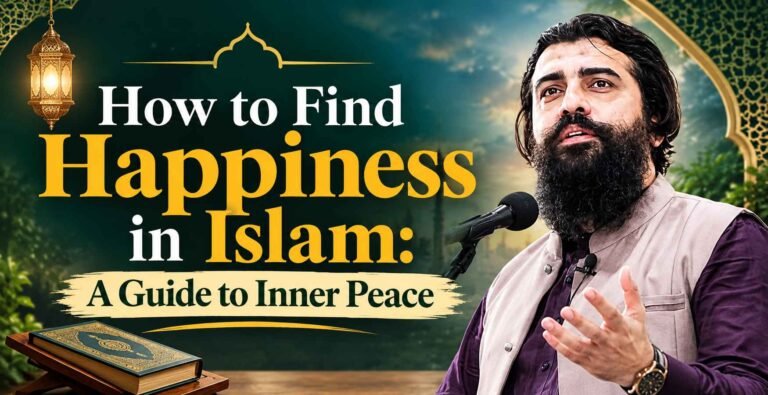
Have you ever wondered why you are here, what you are meant to achieve, or whether your life is moving in the right direction? These questions are part of the human search for meaning. Islam provides a clear foundation for understanding the purpose of life: to worship Allah, live according to His guidance, fulfil our responsibilities, and prepare for the Hereafter.
The purpose of life in Islam is not limited to earning money, building a successful career, gaining recognition, or achieving personal happiness. These things may have a place in life, but they are not the ultimate destination. A meaningful life is one in which faith guides your decisions, your character reflects Islamic values, and your actions contribute positively to the world.
In this guide, we explore what Islam teaches about life’s purpose and practical steps you can take to bring your daily life closer to that purpose.
What Is the Purpose of Life in Islam?
According to Islam, the fundamental purpose of human existence is to worship Allah and live in obedience to Him.
Allah says in the Quran:
“I did not create jinn and humans except to worship Me.”
— Surah Adh-Dhariyat (51:56)
This verse establishes worship (Ibadah) as the central purpose of human creation. However, worship in Islam is not restricted to prayer, fasting, or other formal religious acts. It also includes lawful everyday actions performed with sincere intentions and in accordance with Islamic guidance.
For example:
- Working honestly to earn a lawful living.
- Treating parents and family members with kindness.
- Helping people who are struggling.
- Seeking beneficial knowledge.
- Fulfilling responsibilities with honesty.
- Avoiding injustice and harmful behaviour.
When daily activities are guided by sincere intentions and obedience to Allah, ordinary routines can become meaningful acts of worship.
In simple words: The purpose of life in Islam is to know and worship Allah, follow His guidance, fulfil our responsibilities, do good, and prepare for the Hereafter.
Why Did Allah Create Human Beings?
Understanding why Allah created human beings helps us understand the meaning of our existence.
The Quran provides guidance through several important themes.
1. To Worship and Obey Allah
Worship creates the foundation of a Muslim’s relationship with Allah. Salah, fasting, dua, Quran recitation, and other acts of devotion help strengthen faith and develop consciousness of Allah.
But worship also influences how Muslims behave outside religious settings. Honesty, patience, justice, kindness, and fulfilling promises are important parts of living according to Islamic teachings.
2. To Be Tested Through Life
Life is not always easy. People experience happiness, hardship, success, loss, uncertainty, and change.
Allah says:
“He is the One Who created death and life in order to test which of you is best in deeds.”
— Surah Al-Mulk (67:2)
This verse reminds Muslims that life is a test of actions and character. Difficult circumstances can challenge patience, while success can test gratitude and humility.
The objective is not to live without difficulties. It is to respond to life’s circumstances in ways that are consistent with faith and good character.
3. To Do Good and Fulfil Our Responsibilities
Islam encourages believers to act responsibly, treat others fairly, and contribute positively to society.
A person’s value is not determined only by wealth, status, education, or professional achievements. Their conduct, sincerity, and commitment to doing good also matter.
Helping someone, supporting family members, sharing beneficial knowledge, and standing against injustice are examples of meaningful responsibilities.
How to Find Your Purpose in Life According to Islam: 7 Practical Steps
Understanding the Islamic purpose of life is the foundation. The next step is applying that understanding to your personal decisions, responsibilities, and goals.
Step 1: Strengthen Your Connection With Allah
Finding direction begins with developing a stronger relationship with your Creator.
Make time for the five daily prayers, read the Quran with understanding, remember Allah, and make dua for guidance. You do not need to transform every aspect of your life overnight.
Start with consistency. A small but sincere effort, maintained over time, can help build a stronger spiritual routine.
Ask yourself:
- Am I making time for my relationship with Allah?
- Do my decisions reflect my Islamic values?
- What can I improve in my daily worship?
Step 2: Understand Your Responsibilities
Your purpose is not necessarily one specific career, business, or achievement.
Islam teaches that people have responsibilities towards Allah, themselves, their families, and other members of society.
Think about the responsibilities you currently have:
- Are you fulfilling your duties towards your parents and family?
- Are you honest in your work or business?
- Are you treating people with respect?
- Are you taking care of your physical and emotional wellbeing?
- Are you using your time responsibly?
Recognising these responsibilities can help you identify meaningful priorities.
Step 3: Discover Your Strengths and Abilities
Every person has different interests, abilities, experiences, and opportunities.
Some people are skilled at teaching, while others are good at organising, building businesses, supporting communities, solving problems, or helping people understand difficult ideas.
Reflect on your strengths and consider how you can use them for beneficial purposes.
Ask yourself:
- What activities am I naturally good at?
- What skills would I like to develop?
- How can my abilities benefit other people?
- Which opportunities allow me to use my strengths in a responsible way?
Your abilities can help you decide how to contribute meaningfully, while Islamic guidance helps you decide which goals are worth pursuing.
Step 4: Set Goals That Reflect Your Islamic Values
Goals provide direction, but not every goal leads to a meaningful life.
Instead of focusing exclusively on money, recognition, or professional success, create goals that also reflect your faith, character, relationships, and contribution to society.
For example:
| Area of life | Meaningful goal |
| Faith | Improve consistency in salah and Quran recitation |
| Education | Learn beneficial knowledge |
| Career | Build an honest and responsible professional life |
| Family | Strengthen relationships and fulfil family responsibilities |
| Character | Develop patience, honesty, and humility |
| Community | Help people and contribute to beneficial projects |
Review your goals regularly. Make adjustments when your circumstances change, while keeping your core values intact.
Step 5: Use Your Time With Intention
Time is one of the most valuable resources a person has. How you spend it influences your habits, relationships, and future.
Consider creating a balanced routine that includes:
- Daily prayers and spiritual reflection.
- Work, education, or productive responsibilities.
- Time with family.
- Physical activity and rest.
- Learning and personal development.
- Acts of kindness and service.
Avoid comparing your progress with everyone else’s. Focus on making responsible use of the time and opportunities Allah has given you.
Step 6: Turn Challenges Into Opportunities for Growth
Every person faces challenges. Some experiences may change your plans, test your patience, or make you question your direction.
Islam encourages patience (Sabr), gratitude (Shukr), trust in Allah (Tawakkul), and responsible action.
When facing a difficult situation:
- Recognise what is within your control.
- Seek advice from trustworthy and knowledgeable people.
- Make dua and ask Allah for guidance.
- Take practical steps towards a solution.
- Remain patient while accepting that outcomes are not always in your control.
Trust in Allah does not mean avoiding effort. It means making responsible efforts while placing your trust in Him.
Step 7: Make a Positive Difference in Other People’s Lives
A meaningful life is not only about personal achievements. It also involves how your actions affect others.
You can contribute positively through simple, consistent actions:
- Helping someone learn a useful skill.
- Supporting people in need.
- Sharing beneficial knowledge.
- Treating employees and colleagues fairly.
- Caring for family members.
- Participating in community welfare initiatives.
You do not need a large platform or significant wealth to make a positive difference. Sincere actions can have value even when they are not publicly recognised.
What Is the Difference Between Success and Purpose in Islam?
Success and purpose are related, but they are not identical.
Modern society often measures success through income, possessions, career positions, popularity, or public recognition. Islam encourages Muslims to look beyond these external measures and consider whether their achievements are consistent with faith, good character, and accountability before Allah.
| Success based only on worldly measures | Purpose guided by Islam |
| Earning more money | Earning through lawful means |
| Gaining recognition | Developing sincerity and humility |
| Achieving a high position | Fulfilling responsibilities with integrity |
| Competing with others | Improving yourself and benefiting others |
| Seeking temporary satisfaction | Preparing for lasting success in the Hereafter |
This does not mean that financial stability, professional growth, or ambition are wrong. They can be valuable when pursued through lawful and ethical means and kept in the right perspective.
What Should You Do When You Feel Lost in Life?
Feeling lost does not necessarily mean you have no purpose. Sometimes it means you need time to reflect, reassess your priorities, and make clearer decisions.
If you are uncertain about your direction, consider these actions:
Pause and reflect: Identify what is making you feel confused or dissatisfied.
Reconnect with your faith: Give attention to prayer, Quran recitation, dua, and spiritual learning.
Write down your priorities: Separate what genuinely matters from what you feel pressured to pursue.
Seek wise advice: Speak with trustworthy people who can offer balanced guidance.
Take one practical step: Rather than trying to solve your entire future at once, choose one meaningful action you can take today.
Remember that finding direction is often a gradual process. You do not need to have every answer immediately.
How Shaykh Atif Ahmed’s Motivational Sessions Can Inspire Purposeful Living
Understanding your purpose becomes more meaningful when you connect Islamic principles with everyday decisions, personal development, and responsibilities.
Shaykh Atif Ahmed is a Pakistani Islamic scholar and motivational speaker whose sessions focus on purpose, youth empowerment, leadership, character development, and personal growth.
Through Islamic insights and practical life lessons, his motivational talks aim to help audiences reflect on their values, develop a stronger mindset, and make meaningful choices.
His speaking topics include:
- Discovering personal purpose.
- Purpose, passion, and productivity.
- Islamic motivation and spiritual growth.
- Leadership with integrity.
- Youth development and empowerment.
- Building character and emotional resilience.
Whether you are organising a university event, youth conference, corporate seminar, or community gathering, purpose-driven motivational sessions can create opportunities for reflection, learning, and positive action.
Explore Shaykh Atif Ahmed’s Motivational Speaker services to learn about speaking programs and event opportunities.
Frequently Asked Questions About the Purpose of Life in Islam
What is the purpose of life according to Islam?
According to Islam, the fundamental purpose of human life is to worship Allah, obey His guidance, fulfil responsibilities, do good deeds, and prepare for the Hereafter. Surah Adh-Dhariyat (51:56) identifies worship as the purpose of creating jinn and human beings.
What does the Quran say about the meaning of life?
The Quran explains that human life has a purpose. Surah Adh-Dhariyat (51:56) highlights worship, while Surah Al-Mulk (67:2) explains that life and death are created as a test of people’s deeds.
How can I find my purpose in life as a Muslim?
Begin by strengthening your relationship with Allah, understanding your responsibilities, identifying your abilities, setting goals based on Islamic values, and using your time to benefit yourself and others.
Is career success the purpose of life in Islam?
No. Career success is not the ultimate purpose of human existence. However, earning a lawful living, working honestly, developing beneficial skills, and fulfilling professional responsibilities can become meaningful parts of a Muslim’s life when guided by sincere intentions and Islamic principles.
Why does Islam consider life a test?
Islam teaches that life includes circumstances through which people’s actions, patience, gratitude, and character are tested. Surah Al-Mulk (67:2) explains that Allah created life and death to test which people are best in deeds.
Can helping others become an act of worship?
Helping others can be a form of worship when it is done sincerely, through lawful means, and in a way that follows Islamic guidance. Supporting family members, helping people in need, and sharing beneficial knowledge are examples of positive actions.
What should I do if I feel I have no direction in life?
Take time to reflect on your values, reconnect with your faith, identify your responsibilities, and seek advice from trustworthy people. Begin with small, practical steps instead of expecting to discover every answer immediately.
Final Thoughts: Live With Faith, Purpose, and Responsibility
The purpose of life in Islam is much greater than achieving temporary success or fulfilling worldly ambitions. It is about worshipping Allah, living with integrity, fulfilling responsibilities, developing good character, and contributing positively to the lives of others.
You do not need to discover one extraordinary achievement to make your life meaningful. Your everyday choices, intentions, relationships, and actions can all reflect your commitment to living according to Islamic values.
Start with your relationship with Allah. Set meaningful goals. Use your abilities responsibly. Help others whenever you can.
A purposeful life is not simply about what you achieve. It is also about how you live, whom you benefit, and whether your actions bring you closer to Allah.
If you are organising an event focused on faith, leadership, youth development, or purposeful living, explore Shaykh Atif Ahmed’s Motivational Speaker services for more information.
References for Further Reading
- Quran – Surah Adh-Dhariyat (51:56)
- Quran – Surah Al-Mulk (67:2)
- Quran.com – Created to Worship Allah: The True Purpose of Life
This article provides general educational information about Islamic teachings. For detailed religious rulings or interpretation, consult qualified Islamic scholars.