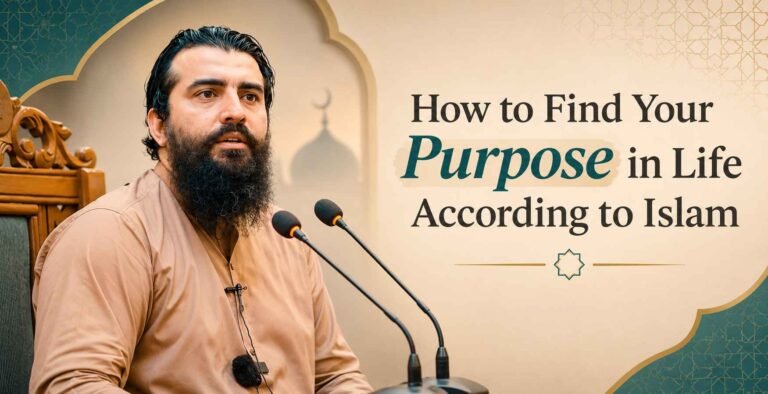
Key Takeaways & Spiritual Insights
- Strengthen Your Faith: Build a closer relationship with Allah through Salah, Quran recitation and daily remembrance.
- Practise Gratitude (Shukr): Appreciate your blessings instead of constantly focusing on what you lack.
- Trust Allah (Tawakkul): Have faith in Allah while making sincere efforts to overcome life's challenges.
- Develop Patience (Sabr): Face difficulties with hope, wisdom and perseverance.
- Find Inner Peace: Avoid unhealthy comparisons and focus on personal and spiritual growth.
- Build Meaningful Relationships: Strengthen family connections, show kindness and surround yourself with positive people.
- Help Others: Practise charity, compassion and generosity to give your life greater purpose.
- Live with Purpose: Align your daily decisions with Islamic values and responsibilities.
- Make Sincere Dua: Ask Allah for guidance, forgiveness, peace and goodness in this life and the Hereafter.
- Seek Support When Needed: Combine spiritual practices with appropriate professional support when facing emotional or mental health challenges.
Happiness is something everyone seeks, but finding lasting happiness is not always easy. People may achieve their goals, earn money, build successful careers and enjoy comfortable lives, yet still experience emptiness or dissatisfaction. Islam offers a deeper understanding of happiness by connecting inner peace with faith, gratitude, patience and a meaningful relationship with Allah.
If you are wondering how to find happiness in Islam, the answer begins with strengthening your connection with Allah, appreciating your blessings, developing a positive mindset and living according to Islamic values. True happiness does not mean having a life without difficulties. It means finding peace, purpose and contentment even when life becomes challenging.
What Does Happiness Mean in Islam?
In Islam, happiness is not measured only by wealth, possessions, achievements or temporary pleasure. It is closely connected with inner peace, contentment, gratitude and a strong relationship with Allah.
The Quran explains this connection in Surah Ar-Ra’d (13:28):
“Verily, in the remembrance of Allah do hearts find rest.”
This verse highlights the importance of remembering Allah in developing tranquillity within the heart. A person may have everything that appears to represent success but still feel unhappy. Similarly, someone facing difficulties can maintain hope and spiritual strength through faith.
Islam encourages Muslims to seek a balanced life in which spiritual well-being, personal responsibilities, family relationships and worldly efforts work together.
10 Ways to Find Happiness in Islam
Finding happiness is a continuous journey rather than something achieved through one decision. Islamic teachings provide practical guidance that Muslims can apply in their everyday lives.
1. Strengthen Your Relationship with Allah
One of the most important ways to find happiness in Islam is to strengthen your relationship with Allah. Faith provides spiritual direction, hope and reassurance during different stages of life.
Make time for daily prayers, Quran recitation, remembrance of Allah and sincere supplication. These practices help you remember your purpose and maintain a connection with your Creator.
You do not need to change everything overnight. Begin with small, consistent improvements in your worship and gradually develop stronger spiritual habits.
2. Practice Gratitude (Shukr) Every Day
Gratitude helps you recognize the blessings already present in your life instead of constantly focusing on what you do not have.
In Surah Ibrahim (14:7), Allah explains that gratitude is connected with an increase in His blessings.
You can practise gratitude through simple daily actions:
- Thank Allah for your health, family and opportunities.
- Appreciate the people who support you.
- Avoid constantly comparing your life with others.
- Recognize small achievements and positive experiences.
- Make a habit of remembering your blessings before sleeping.
When you develop gratitude, your perspective gradually changes. Instead of measuring happiness through possessions, you begin appreciating the value of everyday blessings.
3. Trust Allah During Difficult Times (Tawakkul)
Life does not always follow our expectations. Financial difficulties, personal disappointments, family problems and unexpected changes can create emotional pressure.
Tawakkul means placing your trust in Allah while continuing to make responsible efforts.
Islam teaches Muslims to combine sincere effort with reliance upon Allah. Trust does not mean ignoring problems or refusing to take action. It means doing what is within your control and accepting that the final outcome belongs to Allah.
When facing uncertainty, make dua, seek appropriate advice, take practical steps and remind yourself that difficulties are part of human life.
4. Perform Salah with Understanding and Consistency
Salah is more than a daily obligation. It provides regular opportunities to remember Allah, reflect on your actions and reconnect with your spiritual purpose.
Maintaining the five daily prayers can bring structure and spiritual discipline to everyday life.
To improve the quality of your Salah:
- Pray on time as consistently as possible.
- Learn the meanings of the words recited during prayer.
- Avoid unnecessary distractions.
- Take time to reflect on what you are reciting.
- Make sincere dua after prayer.
The objective is not simply to complete the movements of prayer but to develop humility, awareness and sincerity.
5. Develop Patience (Sabr) During Challenges
Patience is an essential Islamic quality that helps believers respond to difficulties with faith and wisdom.
In Surah Al-Baqarah (2:153), Allah instructs believers to seek help through patience and prayer.
Sabr does not mean pretending that you are never hurt or refusing to seek help. It means responding to hardship without losing hope, acting unjustly or abandoning your responsibilities.
When life becomes difficult, remember that your present circumstances do not define your entire future. Take one responsible step at a time and continue seeking Allah’s guidance.
6. Stop Comparing Your Life with Others
Constant comparison can make even a successful person feel dissatisfied. Social media often presents selected moments of other people’s lives, making it easy to believe that everyone else is happier or more successful.
Islam encourages humility, gratitude and contentment rather than unhealthy competition over worldly possessions.
Try these practical habits:
- Reduce unnecessary social media use.
- Focus on your own personal development.
- Appreciate your progress, even when it is gradual.
- Set goals based on your abilities and responsibilities.
- Avoid measuring your worth through other people’s achievements.
Your journey is different from everyone else’s. Focus on becoming a better person rather than trying to live someone else’s life.
7. Build Positive and Meaningful Relationships
Healthy relationships can contribute significantly to emotional and spiritual well-being. Islam places great importance on kindness, family responsibilities, maintaining relationships and treating others with respect.
Spend meaningful time with family members, maintain good friendships and avoid unnecessary arguments.
Practise listening carefully, forgiving where appropriate and communicating respectfully. At the same time, maintain healthy boundaries when relationships become harmful.
Good company can also encourage you towards better habits, stronger faith and positive personal development.
8. Give Charity and Help Others
Helping others can bring a sense of purpose and remind you that your actions can make a positive difference.
Islam encourages charity, kindness and supporting people in need. Giving does not always require wealth. You can help someone through your time, knowledge, encouragement or practical support.
Consider these simple actions:
- Support someone facing financial difficulties.
- Visit an elderly relative or neighbour.
- Help a student with their education.
- Offer sincere encouragement to someone struggling.
- Volunteer in a community welfare activity.
When you contribute positively to other people’s lives, you develop compassion and a stronger sense of responsibility.
9. Find Purpose in Your Everyday Life
A meaningful life is not built entirely around professional success or material achievements. It also involves understanding your responsibilities, developing your abilities and using your time constructively.
Islam teaches that human life has a purpose beyond temporary worldly achievements.
Surah Adh-Dhariyat (51:56) explains that Allah created jinn and humankind to worship Him.
Worship also shapes how Muslims approach their everyday responsibilities. Earning a lawful livelihood, fulfilling family responsibilities, seeking beneficial knowledge and helping others can become meaningful acts when pursued with sincere intentions.
If you feel uncertain about your direction, begin by identifying your values, responsibilities and realistic goals.
10. Make Dua and Ask Allah for Guidance
Dua allows Muslims to express their hopes, difficulties, fears and needs directly to Allah.
You do not need complicated words to make sincere dua. Speak honestly, ask for guidance, seek forgiveness and pray for goodness in this life and the Hereafter.
One beautiful Quranic supplication appears in Surah Al-Baqarah (2:201):
“Our Lord, give us good in this world and good in the Hereafter, and protect us from the punishment of the Fire.”
This dua reminds Muslims to seek balanced goodness rather than focusing exclusively on worldly happiness.
How to Find Happiness Inside Yourself According to Islam
Finding happiness inside yourself begins with developing inner contentment instead of depending entirely on external circumstances.
Islam encourages believers to build their sense of peace through faith, gratitude, self-awareness and good character.
Here are five practical ways to develop inner happiness:
- Accept yourself: Recognize that everyone has strengths and weaknesses. Work on improving yourself without constantly criticizing your past.
- Forgive yourself and seek forgiveness: Learn from mistakes, make sincere tawbah and take positive steps forward.
- Control negative thoughts: Challenge unnecessary worries and focus on what you can realistically change.
- Develop healthy habits: Maintain a balanced routine involving worship, rest, physical activity and personal responsibilities.
- Strengthen your spiritual connection: Make time for Quran recitation, Salah, dua and reflection.
Remember that inner happiness does not mean feeling positive every moment. It means developing the strength to face different emotions and circumstances without losing hope or purpose.
How to Find Happiness in Everyday Life
You do not need to wait for a major achievement or life-changing event to experience happiness. Small, meaningful habits can improve your everyday experience.
Consider following a simple daily routine:
| Daily habit | How it supports well-being |
| Begin with Fajr prayer | Establishes a spiritual foundation |
| Recite or reflect on the Quran | Encourages spiritual awareness |
| Practise gratitude | Builds appreciation |
| Complete meaningful tasks | Develops purpose and discipline |
| Spend time with family | Strengthens relationships |
| Help someone | Encourages kindness |
| Reflect before sleeping | Builds self-awareness |
Consistency is more important than perfection. Start with a few habits and gradually improve your routine.
How to Find Happiness Again When Life Feels Difficult
Sometimes people lose their sense of happiness because of grief, disappointment, loneliness, relationship problems or unexpected changes.
Islam does not require you to pretend that everything is fine. It encourages hope, patience, prayer and seeking appropriate support.
If you are struggling emotionally, consider these steps:
- Acknowledge your feelings instead of ignoring them.
- Speak with someone trustworthy who can listen without judging.
- Maintain your daily prayers and other manageable spiritual practices.
- Set small goals instead of pressuring yourself to solve everything immediately.
- Take care of your sleep, physical health and daily routine.
- Seek professional mental health support if emotional difficulties persist or affect your everyday functioning.
Remember that experiencing sadness does not make you a weak believer. Depression and other mental health conditions may require professional assessment and treatment. Islamic spiritual practices can complement appropriate healthcare, but they should not replace it.
Temporary Pleasure vs Lasting Happiness in Islam
Understanding the difference between temporary pleasure and deeper contentment can help you make better life decisions.
| Temporary pleasure | Lasting contentment |
| Depends heavily on external rewards | Develops through faith and perspective |
| Often connected with material possessions | Connected with gratitude and purpose |
| Can disappear when circumstances change | Can remain during difficult circumstances |
| Encourages constant comparison | Encourages self-awareness |
| Focuses mainly on immediate satisfaction | Includes spiritual and long-term well-being |
Islam does not prohibit enjoying lawful worldly blessings. Instead, it teaches Muslims to appreciate them without allowing material possessions or temporary pleasures to become the foundation of their entire lives.
Frequently Asked Questions About Happiness in Islam
How can I find happiness in Islam?
You can develop happiness in Islam by strengthening your relationship with Allah, maintaining Salah, practising gratitude, making dua, developing patience and living according to Islamic values. These habits help build spiritual contentment and a meaningful approach to everyday life.
How to find happiness inside yourself?
Start by accepting yourself, appreciating your blessings, developing healthy habits and focusing on personal growth. Islam also encourages self-reflection, forgiveness and strengthening your relationship with Allah.
What does the Quran say about happiness?
The Quran connects inner peace with the remembrance of Allah in Surah Ar-Ra’d (13:28). It also teaches gratitude, patience, hope and the importance of living a meaningful life.
How can I find happiness again after a difficult period?
Begin with small steps, seek support from trusted people, maintain manageable spiritual habits and focus on practical improvements. If sadness or emotional distress continues, consider seeking help from a qualified mental health professional.
Can money bring happiness according to Islam?
Islam recognizes wealth as a blessing when earned and used responsibly. However, wealth alone does not guarantee inner peace. Gratitude, contentment, faith and good character are also essential to a meaningful life.
Final Thoughts: Build a Life Filled with Faith, Purpose and Inner Peace
Finding happiness in Islam is not about achieving a perfect life. It is about developing a meaningful relationship with Allah, appreciating your blessings, maintaining patience during difficulties and making choices that reflect your values.
Start with small improvements. Strengthen your Salah, practise gratitude, help others, develop healthy relationships and make sincere dua. Over time, these habits can help you approach life with greater clarity, hope and contentment.
If you are struggling to find direction, improve your mindset or identify meaningful personal goals, seeking guidance can also be a positive step.
Shaykh Atif Ahmed offers Life Coaching and Mentorship focused on personal development, spiritual growth, decision-making and purposeful living. Explore the available guidance and take a thoughtful step towards personal growth.
True happiness is not simply about having everything you want; it is about finding purpose, gratitude and peace in the life Allah has given you.