Understanding Islamic Couples Therapy in 2026
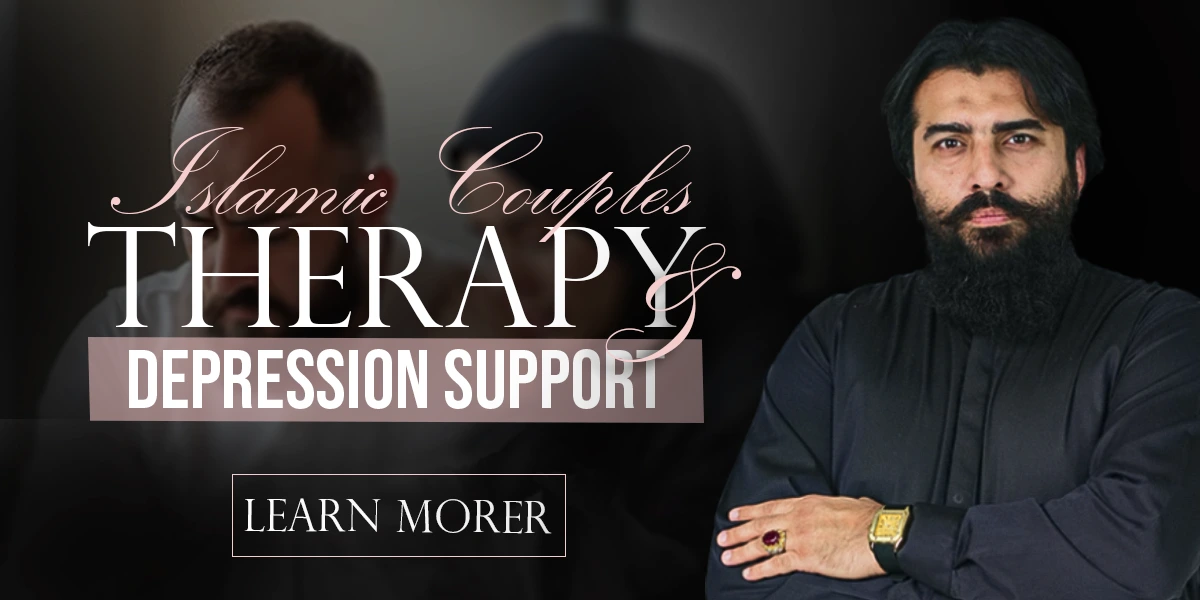
Islamic couples therapy is a structured, faith-aligned approach that helps husbands and wives resolve emotional conflict, rebuild communication, and restore mercy in their marriage. Unlike generic counselling, Islamic therapy integrates Qur’anic principles, Prophetic guidance, and modern psychology to address the deeper roots of marital issues, not just surface-level disagreements.
In Islam, marriage is a bond built on emotional safety and spiritual companionship. Allah reminds us:
“And He placed between you affection and mercy.” (Qur’an 30:21)
When this affection begins to fade due to stress, unmet expectations, or communication breakdown, Islamic couples therapy guides spouses back to compassion, understanding, and emotional stability, all while maintaining complete alignment with Islamic ethics.
Why Muslim Couples Today Need Faith-Based Counselling
Modern Muslim couples face emotional and social challenges that did not exist in earlier generations. Rising financial pressure, digital distractions, burnout, jealousy, trauma, and unspoken expectations all influence marital peace. Many couples silently carry emotional weight, leading to distance, resentment, and in many cases, depression
.
Key challenges Muslim couples commonly face today:
- Emotional disconnection and silent communication gaps: Many couples stop discussing their feelings, leading to bottled frustration and deep misunderstandings.
- Stress and depression caused by unresolved marital tension: Emotional neglect, repeated conflicts, and lack of empathy often lead to depressive symptoms in one or both partners.
- Unmet expectations before and after nikah: Couples enter marriage with unrealistic assumptions shaped by culture, social media, or family pressure.
- External interference from relatives or extended family: This is one of the leading causes of long-term conflict in South Asian and Middle Eastern Muslim households.
- Spiritual misalignment and drifting away from Islamic values: When hearts drift from Allah, relationships often lose blessing (barakah), patience, and emotional stability.
Islamic therapy addresses these issues not just practically, but spiritually, to help couples heal the heart along with the mind.
Why Islamic Therapy Is More Effective Than Generic Counselling
While modern counselling techniques are helpful, many Muslim couples feel misunderstood when therapy does not respect Islamic boundaries, modesty, gender roles, and emotional rights. Faith-aligned therapy speaks the language of the Muslim home.
Why Islamic couples therapy works better:
- It aligns emotional guidance with Qur’an and Sunnah, giving couples a spiritually grounded framework that feels familiar and trustworthy.
- Therapists reflect Islamic boundaries, ensuring the advice does not conflict with religious values or family ethics.
- It encourages compassion, accountability, and emotional honesty without pushing concepts like “just walk away” or extreme individualism.
- Islamic therapy incorporates spiritual healing, including dua, gratitude, repentance, and re-centered intentions.
- It addresses psychological and emotional wounds while acknowledging the importance of marital rights, responsibilities, and Islamic adab (character).
This combination creates a far more effective healing journey for Muslims struggling in their marriage.
Beginning Your Healing Journey With Authentic Support
Healing starts when both partners agree to take a sincere step toward growth. Islamic counselling provides a safe, private, and structured environment for couples to express themselves without fear or judgment, guided by principles that protect the marriage rather than destroy it.
If you wish to begin your confidential healing process with a faith-aligned expert, you can explore Islamic marriage counselling services: 👉 Islamic Marriage Counseling
Islamic Perspective on Depression Within Marriage
Depression inside a marriage is one of the most misunderstood emotional struggles in the Muslim community. Many couples silently suffer because they do not know how to identify emotional pain, communicate it correctly, or seek help in an Islamic way. Islam does not shame sadness or emotional exhaustion.
In fact, the Qur’an openly speaks about grief, fear, loneliness, and anxiety experienced by prophets and righteous believers.
Depression in marriage is not a sign of weak faith. It is a human experience, shaped by emotional wounds, unresolved conflicts, exhaustion, and sometimes environmental or biological factors. What Islam teaches us is how to cope, how to support one another, and how to seek healing in a way that strengthens both the marriage and the heart.

Understanding What Depression Looks Like in a Marriage
Depression in a spouse does not always appear as crying or visible sadness. In many Muslim households, it shows up quietly in behaviors that are easily misunderstood as laziness, coldness, or disrespect.
Common signs of depression within marriage include:
- Withdrawal and emotional distancing: The spouse becomes quiet, avoids conversations, or prefers isolation because they feel mentally drained.
- Irritation during minor disagreements: Emotional fatigue makes it difficult for them to respond calmly, leading to quick frustration or anger.
- Loss of interest in intimacy and companionship: Depression affects emotional and physical energy, making the spouse appear cold or detached.
- Feeling overwhelmed by simple responsibilities: What looks like “not trying” is often the brain struggling to manage stress and tasks.
- Repetitive negative thoughts and low self-esteem: The spouse may start believing they are a burden, unloved, or not good enough.
- Avoidance of religious acts: Not because of a lack of faith, but due to mental heaviness. This is common and requires compassion, not judgment.
Islam encourages spouses to respond with gentleness, patience, and support, not blame.
How Islamic Teachings Guide Us Through Emotional Hardship
Allah acknowledges that humans will feel fear, grief, and emotional heaviness. The Qur’an frequently comforts believers experiencing sadness:
“Indeed, with hardship comes ease.” (Qur’an 94:6)
This verse is not poetic; it is a psychological truth. Hardship is not permanent, and ease is always written with it. Islamic couples therapy uses such principles to help spouses understand that emotional pain is not a personal failure, but part of the human journey.
Islam offers powerful emotional tools for couples:
- Compassion and mercy as marital foundations: The Prophet ﷺ reminded husbands and wives that the best among us are those who treat their spouse with ihsan (excellence).
- Active listening and emotional attentiveness: Islam teaches avoiding assumptions, accusations, and harsh words, especially when the spouse is emotionally weak.
- Dua and spiritual grounding during emotional storms: Turning toward Allah together deepens connection and reduces feelings of loneliness.
- Avoiding blame, humiliation, or comparing spouses to others: These actions worsen depression and create long-term resentment.
Faith plays an essential role in healing, not by replacing therapy, but by strengthening the heart through hardship.

When Marital Depression Requires Professional Islamic Guidance
Depression becomes destructive when couples ignore early signs or try to “fix it themselves” without addressing emotional roots. Many couples reach a breaking point simply because they did not receive structured support earlier.
You can speak to a trained Islamic counselor to understand your spouse’s emotional state and rebuild a healthier connection.
If you prefer faith-aligned help, visit: 👉 Islamic Counseling for Depression
Root Causes of Marital Conflict & Emotional Distance
Every marriage experiences conflict, but emotional distance is far more damaging because it silently erodes affection, trust, and emotional safety. Many Muslim couples assume they are fighting about “small things,” when in reality, the real causes lie much deeper.
Islamic couples therapy focuses on uncovering these hidden emotional roots so healing can begin with clarity instead of blame.
Emotional distance doesn’t appear suddenly; it grows slowly through unmet emotional needs, miscommunication, unresolved pain, and spiritual misalignment. Understanding these causes is the first step toward restoring connection.
The Psychological Causes Behind Emotional Disconnect
Modern psychology explains several patterns that directly apply to Muslim marriages today. These patterns are universal but often misunderstood within cultural contexts.
1. Communication Breakdown Fueled by Misinterpretation
Most arguments begin with misunderstandings, unspoken assumptions, or interpreting the spouse’s tone negatively. Over time, couples stop clarifying their feelings and start reacting defensively, creating a cycle where both feel unheard.
2. Emotional Neglect, Not Intentional, but Painful
Spouses often prioritize work, children, or family obligations but unintentionally neglect emotional check-ins. The ignored partner begins feeling lonely, invisible, or unloved, even if the spouse never meant harm.
3. Resentment From Past Unresolved Issues
Unresolved disagreements pile up silently. When one hurt isn’t healed, the following argument becomes bigger. Couples then begin reacting to old wounds instead of the current issue.
4. Stress, Burnout, and Financial Pressure
Many Pakistani, Middle Eastern, UK, and Western Muslim households carry constant financial stress. Stress directly reduces patience, emotional availability, and intimacy.
5. Digital Distraction & Social Media Comparison
Excessive screen time, late-night scrolling, or comparing your spouse/marriage to others online creates unrealistic expectations and feelings of dissatisfaction.
The psychological impact builds quietly until a couple stops feeling “close,” even if they still live together.
Islamic Causes of Marital Conflict, Overlooked but Crucial
Islam doesn’t just describe the institution of marriage; it outlines the emotional behavior required to sustain it. When these spiritual principles break down, emotional imbalance quickly follows.
1. Lack of Mercy and Softness in Speech
The Prophet ﷺ emphasized gentleness repeatedly. When harshness replaces softness, affection disappears. A single hurtful sentence can cause more pain than days of silence.
2. Neglecting Spousal Rights and Emotional Amanah
In Islam, fulfilling a spouse’s emotional rights (kindness, good character, time, and emotional warmth) is as essential as physical rights. When one spouse feels deprived of affection or respect, emotional disconnection begins.
3. Weakening Spiritual Connection as a Couple
When salah, gratitude, and dhikr decrease, marriages lose barakah (blessing). Hearts become less patient, less forgiving, and more reactive.
4. External Interference and Backbiting to Families
Islam strongly discourages exposing marital conflicts to outsiders. When relatives intervene frequently, the couple loses autonomy and emotional privacy, leading to resentment on both sides.
When Conflicts Need Structured Islamic Guidance
If arguments repeat without resolution, if communication feels impossible, or if emotional distance becomes painful, it is time to seek structured Islamic counselling. A trained mentor helps couples uncover root issues and guides them back to emotional safety with Qur’anic and psychological methodology.
Explore More:👉 Islamic Couples Therapy & Marriage Counselling
How Islamic Couples Therapy Works
Islamic couples therapy is not a random conversation or a lecture about right and wrong. It is a structured, confidential, and methodical process that rebuilds emotional trust, clears misunderstandings, and reconnects the couple spiritually and psychologically.
The goal is not to “win” an argument; the goal is to repair hearts, restore mercy, and revive companionship. Below is a clear breakdown of how faith-based therapeutic guidance works in a modern Muslim marriage.
Step 1: Understanding the Couple’s Emotional Reality
The first step in Islamic therapy is creating a safe, judgment-free environment where both partners can express their pain honestly. Many couples have never explained their emotions clearly, and hearing each other in a structured setting often reveals issues neither of them realized existed.
What this step focuses on:
- Identifying emotional wounds that have been ignored
- Understanding how each spouse interprets conflicts differently
- Discovering unmet needs (companionship, respect, affection, appreciation)
- Clarifying miscommunication patterns that keep repeating
- Allowing both partners to feel heard without interruption
This step begins the emotional softening that couples often struggle to achieve on their own.
Step 2: Diagnosing Core Issues, Not Surface Arguments
Most couples argue about surface triggers like chores, habits, tone of voice, or time management. But these are symptoms, not causes. Islamic therapy traces conflicts back to deeper emotional or spiritual roots.
Core issues often uncovered include:
- Long-term resentment that was never addressed correctly
- Fear of emotional rejection or abandonment
- Identity clashes, personality differences, or old trauma
- Pressure from extended family or cultural expectations
- Spiritual disconnection is affecting patience and communication
Once these deeper causes are identified, real healing can begin.
Step 3: Teaching Qur’anic Communication Techniques
Communication in marriage is an Islamic skill. The Prophet ﷺ demonstrated it with gentleness, clarity, and calmness even during stress. Islamic couples therapy uses these Prophetic communication tools to transform how spouses talk to each other.
Key communication principles introduced:
- Speaking with softness (rifq) instead of criticism
- Listening without preparing a counterattack
- Using “I feel” language instead of accusations
- Replacing defensiveness with transparency
- Addressing issues immediately instead of storing anger
These tools reduce conflict dramatically and rebuild emotional safety.
Step 4: Rebuilding Trust, Mercy & Emotional Intimacy
Once communication becomes healthier, couples begin working on trust, affection, and emotional closeness. This is where fundamental transformation occurs.
This step focuses on:
- Restoring mercy (rahmah) through small daily actions
- Rebuilding emotional intimacy through vulnerability
- Learning forgiveness without keeping an emotional score
- Creating new routines that bring the couple closer
- Re-centering the marriage around Islamic values
Many couples feel hope return during this stage, often for the first time in years.

Step 5: Ongoing Guidance & Maintenance Plan
Healing is not a one-time session; it is a process. Islamic therapy provides a follow-up plan so couples continue improving at home.
This includes:
- Weekly emotional check-ins
- Boundaries with family or social distractions
- Steps to manage depression or burnout
- Strengthening spiritual routines together
- Building habits that protect the marriage long-term
Consistent follow-up prevents relapses and ensures lasting harmony.
Book Marriage Counseling Consultancy: 👉 Islamic Couples Counseling
Practical Solutions & Islamic Action Plan for Healing Your Marriage
Islamic couples therapy is powerful, but meaningful change happens when couples apply what they learn consistently. Healing does not require perfection; it requires sincerity, compassion, and small daily actions that slowly rebuild trust and closeness.
The goal is to strengthen the marriage through emotional intelligence and Islamic grounding. Below is a practical, faith-aligned action plan that any Muslim couple can begin immediately.
Daily Habits That Reduce Conflict and Increase Emotional Safety
Small, intentional practices can reduce 70% of marital tension. These habits shift the emotional environment of the home and prevent minor frustrations from becoming major conflicts.
1. Establish a daily 10-minute “emotional check-in”
Sit together without phones and talk about your day, stress, or feelings. This short ritual prevents emotional distance and strengthens companionship.
2. Practice gentle speech and avoid harsh tones
The Prophet ﷺ said gentleness beautifies everything it touches. A soft tone can calm even the most tense situation, while harshness destroys peace instantly.
3. Give one act of kindness daily
A small gesture, to making tea, offering emotional validation, or giving a compliment, can completely shift the emotional mood of your spouse.
4. Avoid discussing sensitive issues during anger
Islam encourages calming down before responding. Many arguments can be prevented simply by delaying the conversation and approaching it when hearts are softer.
Strengthening the Spiritual Foundation of Your Marriage
A marriage without spiritual grounding becomes emotionally fragile. When Allah is remembered, patience increases, anger decreases, and hearts become softer.
When to Seek Professional Islamic Guidance
Some marital issues are too deep or too emotionally charged to resolve alone. Persistent conflict, depression, trust issues, resentment, or emotional withdrawal are signs that you need structured support.
Through faith-based guidance from a trained counselor, couples receive clarity, mediation, and personalized steps tailored to their emotional and spiritual needs. If you feel your marriage requires professional help, explore: Islamic Couples Marriage Counseling
A Hope-Filled Path Forward
Every marriage experiences storms. Even the strongest couples face emotional distance, misunderstandings, and spiritual lows. What matters is the willingness to heal together, embrace patience, and return to the mercy that Allah placed between spouses.
When couples combine psychological insight with Islamic wisdom, even long-standing wounds can transform into more profound love, trust, and companionship.
Frequently Asked Questions:
What is Islamic couples therapy?
Islamic couples therapy combines Qur’anic guidance, Prophetic teachings, and modern psychology to help couples improve communication, resolve emotional conflicts, and rebuild mercy in their marriage. It focuses on healing hearts, not assigning blame.
How does Islam view depression in marriage?
Islam recognizes depression as a human struggle, not a weakness of iman. The Qur’an shows prophets experiencing grief and emotional heaviness. In marriage, depression requires compassion, support, and sometimes faith-based counselling.
What causes emotional distance between spouses?
Emotional distance develops through miscommunication, unresolved resentment, stress, financial pressure, and unmet emotional needs. Islamically, harshness, ignoring rights, and weakening spirituality also harm marital connections.
How does Islamic therapy help couples communicate better?
Therapy teaches Prophetic communication methods like gentle speech, active listening, emotional honesty, and conflict de-escalation. These skills help couples resolve issues calmly and rebuild trust.
When should couples seek Islamic counselling?
If arguments repeat, emotional distance increases, or depression affects the relationship, it’s time for structured help. Faith-based counselling provides clarity, mediation, and a healing plan grounded in Islamic values.
Can Islamic therapy help with marital depression?
Yes. Islamic therapy combines emotional support, practical behaviour change, and spiritual grounding. It helps the depressed spouse feel understood while guiding the other partner on how to provide adequate support.
Does Islamic marriage counselling replace modern psychology?
No. Islamic therapy complements psychology by adding faith, emotional ethics, spiritual grounding, and Islamic boundaries. It creates a more holistic approach for Muslim couples.
Can Islamic couples therapy prevent divorce?
Yes, when couples apply communication tools, emotional healing, and religious guidance consistently. Many separations happen due to misunderstandings, not incompatibility — therapy resolves these before they escalate.
Is online Islamic counselling effective?
Yes, online sessions provide privacy, accessibility, and structured faith-based guidance regardless of location. Many couples prefer online therapy due to convenience and confidentiality.
What role does spirituality play in marital healing?
Spiritual alignment increases patience, empathy, and emotional stability. When couples pray together, make dua for each other, and remove sins from the home, their relationship softens, and healing becomes easier.
Are men open to Islamic counseling?
Increasingly, yes. Many men feel safer in Islamic counselling because it respects their role while also encouraging emotional responsibility. A balanced approach makes men more cooperative in healing.
How long does Islamic couples therapy take to work?
Most couples notice emotional improvement within 2-4 sessions, with more profound healing happening over several weeks. Progress depends on sincerity, consistency, and how willing each spouse is to change habitual behaviors.
Can couples attend therapy even if only one spouse feels depressed?
Yes. Marital depression affects both partners, and healing requires cooperation. Therapy helps each spouse understand their roles, triggers, and support responsibilities.
What if only one spouse is willing to attend counselling?
Even individual sessions help. One spouse’s emotional growth and behavioral changes often influence the entire relationship. Islam encourages taking responsibility for your side of the marriage.
Is Islamic couples therapy confidential?
Yes. Professional Islamic counselors provide complete privacy and never disclose personal matters. Confidentiality is part of both Islamic ethics and therapeutic standards.